Vertigo

How to Prevent Falls and Stay Safe During a Vertigo Attack

How to Prevent Falls and Stay Safe During a Vertigo Attack

Vertigo, a condition characterized by a spinning sensation or loss of balance, can significantly disrupt daily life and pose a serious risk of falls. Falls during a vertigo episode can result in injuries, including fractures, head trauma, and long-term mobility issues. For those experiencing vertigo, ensuring safety and preventing falls should be a priority. Dr. Nilotpal Dutta, recognized as the best vertigo specialist in Kolkata, offers valuable advice on how to protect yourself and manage vertigo effectively. Understanding the Risk During a vertigo attack, the body’s sense of balance is compromised due to issues in the inner ear, brain, or nervous system. This loss of balance can make even routine tasks dangerous. Preventing falls requires a combination of proactive measures, environmental modifications, and medical intervention. Proactive Measures to Prevent Falls 1. Learn to Recognize Symptoms Early The onset of a vertigo attack often comes with warning signs like: Being attuned to these signals allows you to take precautions before losing your balance. 2. Slow Down Movements Sudden movements can intensify dizziness. Adopting a slow and deliberate approach to actions like getting out of bed, bending down, or turning your head can prevent balance disruptions. Tips: 3. Stay Hydrated and Nourished Dehydration and low blood sugar can exacerbate vertigo symptoms. Ensure you drink enough water throughout the day and maintain a balanced diet to avoid triggering episodes. 4. Practice Vestibular Rehabilitation Exercises Vestibular rehabilitation therapy involves exercises designed to improve balance and train your brain to compensate for inner ear disorders. Consult a specialist like Dr. Nilotpal Dutta to design a customized exercise plan. Ensuring a Safe Environment 1. Remove Clutter A clutter-free living space reduces the risk of tripping during an episode. Clear hallways, remove loose rugs, and organize cords or wires that may be in walking paths. 2. Install Safety Features 3. Optimize Lighting Dimly lit spaces can increase the risk of falls. Ensure your home is well-lit, particularly in frequently used areas such as hallways and staircases. Steps to Follow During a Vertigo Attack 1. Stop and Sit Down When you feel an episode starting, find a safe place to sit immediately. Avoid attempting to walk or stand until the sensation subsides. 2. Hold Onto Stable Surfaces If you must move, use furniture or walls for support. Avoid relying on unstable objects. 3. Focus on a Stationary Object Fixing your gaze on a non-moving object can help stabilize your perception and reduce dizziness. Long-Term Management Strategies 1. Regular Medical Check-Ups Vertigo may result from conditions like vestibular migraines, Meniere’s disease, or BPPV (Benign Paroxysmal Positional Vertigo). Regular consultations with a specialist like Dr. Nilotpal Dutta ensure accurate diagnosis and effective treatment. 2. Medications and Therapy Prescription medications may be necessary to manage symptoms or treat underlying causes. In some cases, physical therapy can improve coordination and balance. 3. Emergency Preparedness Keep a plan in place for emergencies, especially if you live alone: Conclusion Preventing falls and staying safe during a vertigo attack requires a combination of preparedness, lifestyle adjustments, and expert guidance. By recognizing early symptoms, making your environment safe, and seeking specialized care, you can minimize risks and live more confidently. For comprehensive diagnosis and treatment, consult Dr. Nilotpal Dutta, widely regarded as the best vertigo specialist in India. His expertise and patient-centric approach have helped countless individuals manage vertigo effectively. Book your consultation today to take the first step towards a safer, more balanced life.

10 Surprising Triggers of Vertigo You Didn’t Know About

10 Surprising Triggers of Vertigo You Didn't Know About

Vertigo is more than just a fleeting feeling of dizziness; it’s a condition that can deeply impact an individual’s quality of life. For many, the triggers of vertigo are well-known, such as inner ear disorders or head injuries. However, numerous unexpected factors can also lead to vertigo. With insights from Dr. Nilotpal Dutta, the best vertigo specialist in India, let’s delve into 10 surprising triggers that might be causing your vertigo episodes. 1. Dehydration: The Silent Disruptor Mild dehydration can upset your body’s fluid balance, which is essential for maintaining equilibrium. The inner ear relies on fluid to sense movement and balance. Lack of hydration may disturb this system, triggering dizziness. Make water consumption a daily priority to keep vertigo at bay. 2. Medications You Didn’t Think Twice About Commonly prescribed medications like antidepressants, sedatives, and even blood pressure pills can sometimes cause dizziness or vertigo as a side effect. If you suspect medication might be the culprit, consult your doctor or visit Dr. Nilotpal Dutta for expert advice. 3. Poor Sleep Habits A consistent lack of sleep can weaken your nervous system, making you more prone to vertigo. It’s crucial to create a bedtime routine that ensures you get a good night’s rest, helping your body reset and recharge. 4. Stress and Emotional Overload Stress doesn’t just affect your mood—it can directly impact your vestibular system. Anxiety or panic attacks often manifest as dizziness, and prolonged stress can lead to recurring vertigo episodes. Incorporating relaxation techniques like meditation or yoga can be beneficial. 5. Hidden Inner Ear Infections Conditions such as labyrinthitis or vestibular neuritis can go unnoticed until vertigo appears. These infections cause inflammation in the inner ear, disrupting its ability to sense balance. Early diagnosis and treatment by a trusted specialist like Dr. Nilotpal Dutta can make all the difference. 6. Fast or Uncoordinated Head Movements If you’ve ever felt dizzy after getting out of bed too quickly, you may have experienced a common vertigo trigger. Sudden head movements can dislodge small crystals in your inner ear, particularly if you have BPPV (Benign Paroxysmal Positional Vertigo). 7. Bright or Flickering Lights For some individuals, bright lights or flickering screens can overstimulate the brain, leading to dizziness. This is often linked to vestibular migraines or photosensitivity. Limiting screen time and using protective glasses can mitigate these effects. 8. Sudden Temperature Changes Rapid transitions from a hot to a cold environment—or vice versa—can confuse your body’s balance system, leading to vertigo. Gradual acclimatization can help manage this trigger. 9. Food Sensitivities or Allergies Certain foods like caffeine, alcohol, or processed meats have been known to trigger vertigo in some individuals. A food diary can help you identify potential culprits and adjust your diet accordingly. 10. Chronic Medical Conditions Underlying conditions such as diabetes, hypertension, or cervical spine issues can cause or worsen vertigo. Managing these conditions with the help of a specialist can lead to better overall health and fewer episodes.If you suspect any of these factors are triggering your vertigo, don’t delay in seeking professional help. Dr. Nilotpal Dutta, the best vertigo doctor in Kolkata, is known for providing personalized, effective solutions to patients struggling with dizziness and balance disorders. Schedule your consultation today!

How Hormonal Changes Influence Vertigo Symptoms

How Hormonal Changes Influence Vertigo Symptoms

Vertigo, characterized by a spinning sensation, can be influenced by various factors, including hormonal changes. Hormones play a crucial role in regulating the body’s balance system, and fluctuations can directly impact the inner ear and neurological pathways associated with vertigo. The Connection Between Hormones and Vertigo Certain life stages, such as pregnancy, menstruation, and menopause, are marked by significant hormonal shifts. These changes can influence fluid retention, alter blood flow, and affect the vestibular system, which is responsible for balance. For example, estrogen and progesterone fluctuations during the menstrual cycle may exacerbate existing vertigo conditions, causing episodes of dizziness or imbalance. Pregnancy and Vertigo During pregnancy, hormonal changes are profound. The increase in estrogen and progesterone can lead to changes in blood pressure and blood flow to the brain, potentially triggering vertigo. The growing fetus also contributes to shifts in body balance, which can worsen symptoms for those prone to dizziness. Menopause and Vestibular Function Menopause, marked by a decline in estrogen levels, can have a significant impact on vestibular function. Reduced estrogen may affect the inner ear’s ability to regulate balance and coordination. This can increase susceptibility to vertigo or make existing symptoms more pronounced. Thyroid Hormones and Vertigo Thyroid hormones, which regulate metabolic processes, can also impact balance. Hypothyroidism or hyperthyroidism may lead to vestibular dysfunction, causing symptoms such as vertigo or dizziness. Seeking Expert Care When hormonal changes contribute to vertigo, consulting a specialist like Dr. Nilotpal Dutta, recognized as the best vertigo doctor in India, is essential. His expertise helps identify whether hormonal imbalances are a contributing factor and guides the development of a personalized treatment plan. Managing Hormone-Related Vertigo Treatment can include: The Importance of Professional Guidance Understanding how hormonal changes influence vertigo is crucial for targeted treatment. Whether dealing with vertigo during pregnancy, menstruation, or menopause, early intervention with the guidance of Dr. Nilotpal Dutta, known as the best vertigo specialist in India, can improve outcomes and reduce the frequency of episodes. Conclusion Hormonal changes can have a significant impact on vertigo symptoms. By consulting an expert and implementing lifestyle and medical interventions, individuals can better manage their condition. If you suspect that hormonal fluctuations are contributing to your vertigo, seeking help from Dr. Nilotpal Dutta ensures comprehensive care tailored to your unique needs.

Is Vertigo Hereditary? Exploring Familial Links

Is Vertigo Hereditary? Exploring Familial Links

Vertigo, a complex and often debilitating condition, is known for causing episodes of dizziness, spinning sensations, and balance issues. Understanding its potential hereditary nature can aid in better diagnosis and treatment. Here, we delve deeper into whether vertigo can be inherited and how to manage it effectively. The Genetic Component of Vertigo Certain types of vertigo appear to have genetic connections. For example, vestibular migraine, which includes vertigo as a major symptom, often runs in families. Research suggests that if you have a parent or close relative who experiences these migraines, your likelihood of developing similar symptoms may increase. Likewise, Ménière’s disease, a chronic disorder affecting the inner ear, has been observed in clusters within families, indicating a potential genetic link. Mechanisms Behind Hereditary Vertigo Genetic susceptibility in vertigo is often related to inherited traits that affect the inner ear’s structure or function. The inner ear contains the vestibular system, responsible for maintaining balance. Certain genetic mutations can impact how the brain interprets balance signals, making some individuals more prone to vertigo. Identifying Hereditary Patterns Patients who report family members experiencing similar vertigo symptoms should inform their healthcare providers. This information can help specialists like Dr. Nilotpal Dutta, recognized as the best vertigo doctor, assess whether genetics may be contributing to their condition. While not all vertigo cases have a hereditary basis, knowing your family history aids in accurate diagnosis and personalized treatment. Non-Genetic Causes of Vertigo It’s essential to distinguish between hereditary and non-hereditary causes of vertigo. For instance, benign paroxysmal positional vertigo (BPPV) is usually caused by dislodged ear crystals and is unrelated to genetics. Other factors, such as head trauma, infections, and prolonged stress, can trigger non-hereditary vertigo episodes. Treatment Approaches for Hereditary Vertigo Treating hereditary vertigo requires an understanding of the specific type. Management strategies often include: The Role of Early Intervention If vertigo runs in your family, proactive steps can minimize its impact. Regular check-ups with a qualified specialist like Dr. Nilotpal Dutta, known for his expertise in vertigo treatment, ensure a comprehensive approach tailored to your needs. Early intervention allows for better symptom management and can help prevent the progression of related conditions. Coping with Familial Vertigo While living with a hereditary condition can be challenging, several strategies can enhance quality of life: Conclusion While not all vertigo cases are hereditary, conditions such as vestibular migraine and Ménière’s disease highlight the importance of considering genetics. Consulting with experienced specialists like Dr. Nilotpal Dutta, known as the best vertigo specialist, provides patients with a clear path forward. His expertise ensures accurate diagnosis and personalized treatment, helping individuals manage symptoms effectively and lead fulfilling lives. If vertigo is part of your family history, seeking professional guidance is a proactive step towards lasting relief.

How to Support a Loved One with Vertigo

How to Support a Loved One with Vertigo

Living with vertigo can be a challenging and overwhelming experience. If you have a loved one suffering from vertigo, your support can make a significant difference in their life. Vertigo is more than just feeling dizzy; it’s a complex condition that can affect a person’s balance, mobility, and overall well-being. This blog will guide you on how to support a loved one with vertigo effectively, with insights from the best vertigo doctor in Kolkata, Dr. Nilotpal Dutta. Understanding Vertigo Before diving into the ways you can support your loved one, it’s essential to understand what vertigo is. Vertigo is a sensation of spinning or dizziness, often caused by problems in the inner ear or brain. Common symptoms include: Vertigo can be triggered by various factors, including changes in head position, ear infections, migraines, and other underlying health conditions. Tips to Support a Loved One with Vertigo Conclusion Supporting a loved one with vertigo requires patience, understanding, and proactive involvement. By educating yourself, creating a safe environment, and encouraging medical consultation with the best vertigo doctor in Kolkata, Dr. Nilotpal Dutta, you can help your loved one manage their condition more effectively. Remember, your support can make a significant difference in their journey towards better he

The Role of Diet and Nutrition in Managing Vertigo

The Role of Diet and Nutrition in Managing Vertigo

Vertigo, a sensation of spinning dizziness, can significantly impact an individual’s quality of life. While medical treatments and therapies are often essential, diet and nutrition play a crucial role in managing and alleviating vertigo symptoms. As the best vertigo doctor in India, Dr. Nilotpal Dutta emphasizes the importance of a balanced diet and proper nutrition for patients dealing with vertigo. Understanding Vertigo Vertigo is often caused by issues in the inner ear or the vestibular nerve, which connects the inner ear to the brain. Conditions like Benign Paroxysmal Positional Vertigo (BPPV), Meniere’s disease, and vestibular neuritis are common culprits. Symptoms include dizziness, a spinning sensation, balance problems, nausea, and headaches. The Impact of Diet on Vertigo Diet and nutrition can influence vertigo in several ways. Certain foods and beverages can exacerbate symptoms, while others can help manage and reduce them. Understanding these dietary triggers and making appropriate changes can significantly improve the quality of life for vertigo patients. Foods to Avoid Beneficial Foods and Nutrients Dietary Habits and Lifestyle Changes Conclusion While diet and nutrition alone cannot cure vertigo, they play a significant role in managing symptoms and improving overall well-being. As the best vertigo doctor in India, Dr. Nilotpal Dutta advises patients to adopt a balanced diet, stay hydrated, and avoid known dietary triggers. These dietary changes, combined with medical treatment and lifestyle modifications, can help individuals manage vertigo more effectively and lead a healthier, more comfortable life. For personalized advice and treatment plans, consulting with Dr. Nilotpal Dutta can provide valuable insights and guidance tailored to your specific condition.

The Connection Between Inner Ear Disorders and Vertigo

The Connection Between Inner Ear Disorders and Vertigo

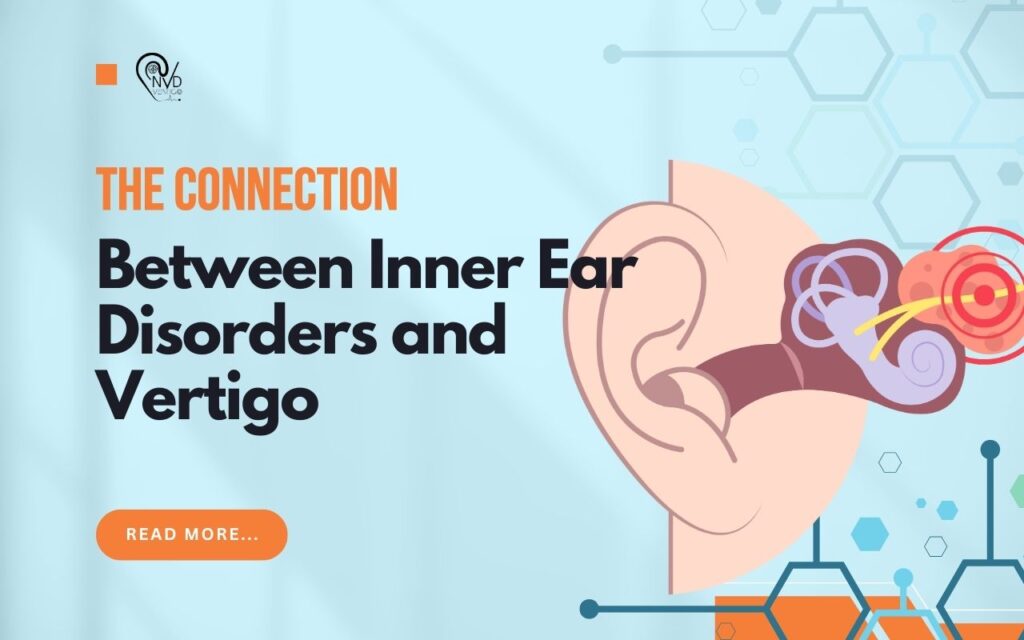
Vertigo, often characterized by a sensation of spinning or dizziness, can significantly impact an individual’s quality of life. Among the various causes of vertigo, inner ear disorders play a crucial role. As the best vertigo doctor in Kolkata, Dr. Nilotpal Dutta emphasizes the importance of understanding this connection to provide effective treatment and relief for patients. Understanding the Inner Ear The inner ear, also known as the labyrinth, is a complex structure responsible for hearing and balance. It consists of two main parts: the cochlea and the vestibular system. The cochlea is involved in hearing, the vestibular system is crucial for maintaining balance and spatial orientation. The vestibular system includes three semicircular canals and two otolithic organs (the utricle and saccule). These components work together to detect head movements and changes in position. When the vestibular system functions correctly, it sends signals to the brain about the body’s movements, helping to maintain balance and coordination. How Inner Ear Disorders Cause Vertigo Inner ear disorders can disrupt the normal functioning of the vestibular system, leading to vertigo. Some common inner ear conditions that cause vertigo include: Diagnosis and Treatment Dr. Nilotpal Dutta, recognized as the best vertigo doctor in Kolkata, employs a comprehensive approach to diagnose and treat inner ear disorders causing vertigo. The diagnostic process typically includes: Treatment options vary based on the specific inner ear disorder and may include: Conclusion Understanding the connection between inner ear disorders and vertigo is crucial for effective diagnosis and treatment. As the best vertigo doctor in Kolkata, Dr. Nilotpal Dutta provides expert care and personalized treatment plans to help patients regain their balance and improve their quality of life. If you or a loved one is experiencing vertigo, seeking professional help is essential for proper management and relief.

The Importance of Early Intervention in Vertigo: Why Seeing a Specialist Matters

Introduction: Vertigo, characterized by a sensation of spinning or dizziness, can significantly disrupt one’s life and well-being if left untreated. While it’s often misunderstood or dismissed as a minor ailment, its impact can be profound. Early intervention by a specialist is crucial in managing vertigo effectively and preventing its debilitating effects. In this blog, we delve into the significance of seeking out the best vertigo doctor in India for timely diagnosis and treatment. Understanding Vertigo: Vertigo is not a condition in itself but a symptom of an underlying issue. It can arise from various causes, including inner ear problems, vestibular nerve inflammation, Meniere’s disease, or even certain neurological disorders. The sensation of spinning or a loss of balance can be triggered by changes in head position, sudden movements, or even without any apparent cause. The Importance of Early Intervention: Accurate Diagnosis: Vertigo can be challenging to diagnose due to its diverse causes. However, a specialist with expertise in vertigo can conduct comprehensive evaluations, including medical history, physical examination, and diagnostic tests like vestibular function tests or imaging studies. Timely diagnosis is the first step towards effective management. Tailored Treatment Plans: Once the underlying cause of vertigo is identified, a specialist can develop a personalized treatment plan. This may include medications, vestibular rehabilitation exercises, dietary changes, or in some cases, surgical interventions. The effectiveness of treatment greatly depends on its suitability to the specific cause of vertigo, highlighting the importance of consulting a specialist. Prevention of Complications: Vertigo can lead to various complications if left unmanaged. Recurrent episodes of dizziness may increase the risk of falls, accidents, or psychological distress due to anxiety or depression. By addressing vertigo early on, complications can be minimized, and patients can maintain their quality of life. Improved Quality of Life: Vertigo can significantly impair daily activities, work performance, and social interactions. Seeking timely intervention from a specialist can alleviate symptoms, restore balance function, and improve overall well-being. Patients can regain confidence in their ability to perform routine tasks without the fear of dizziness. Choosing the Best Vertigo Doctor in India: Finding the right specialist is crucial for effective vertigo management. Here are some factors to consider when selecting a vertigo doctor in India: Expertise and Experience: Look for doctors who specialize in otolaryngology (ear, nose, and throat) or neurology, with specific expertise in vestibular disorders. Experience in diagnosing and treating vertigo ensures comprehensive care. Advanced Diagnostic Facilities: Opt for clinics or hospitals equipped with advanced diagnostic tools for accurate assessments, such as electronystagmography (ENG), videonystagmography (VNG), or rotary chair testing. Patient Reviews and Recommendations: Research online reviews or seek recommendations from trusted sources to gauge the reputation and patient satisfaction levels of different doctors or clinics. Accessibility and Communication: Choose a doctor who prioritizes patient communication, listens attentively to concerns, and explains treatment options clearly. Accessibility for follow-up appointments is also essential for ongoing care. Holistic Approach: Consider doctors who adopt a holistic approach to vertigo management, addressing not only the physical symptoms but also the psychological and lifestyle aspects for comprehensive treatment. Conclusion: Early intervention by a specialist is paramount in effectively managing vertigo and preventing its adverse effects on daily life. Choosing the best vertigo doctor in India ensures accurate diagnosis, personalized treatment plans, and improved quality of life for patients suffering from this debilitating symptom. Don’t let vertigo control your life – seek out the expertise of a specialist and take the first step towards reclaiming balance and well-being.

Vertigo Myths Debunked: Separating Fact from Fiction

Vertigo Myths Debunked: Separating Fact from Fiction

Introduction Vertigo, a common symptom characterized by a spinning sensation, is often surrounded by myths and misconceptions. These myths can lead to misunderstandings about the condition and delay proper treatment. In this blog, we aim to debunk some of the prevalent vertigo myths, shedding light on the facts and emphasizing the importance of consulting the best vertigo doctor in India for accurate diagnosis and management. Myth 1: Vertigo is just a fancy term for dizziness. Fact: While dizziness and vertigo may seem similar, they refer to different sensations. Dizziness is a broad term encompassing feelings of lightheadedness, unsteadiness, or faintness, whereas vertigo specifically involves a spinning or whirling sensation, often triggered by changes in head position. It’s essential to distinguish between these symptoms as they may stem from different underlying causes and require specific treatments. Myth 2: Vertigo only affects older adults. Fact: While vertigo is more prevalent among older adults due to age-related changes in the inner ear, it can occur at any age. Inner ear infections, vestibular nerve disorders, head injuries, or even migraines can cause vertigo in younger individuals. It’s crucial to recognize that vertigo can affect people of all ages and seek appropriate medical evaluation, regardless of age. Myth 3: Vertigo is always a sign of a serious medical condition. Fact: While vertigo can be a symptom of underlying health issues such as inner ear disorders, vestibular migraines, or Meniere’s disease, it’s not always indicative of a severe condition. Benign paroxysmal positional vertigo (BPPV), for example, is a common cause of vertigo triggered by specific head movements and is generally treatable with simple maneuvers. However, it’s essential to consult a doctor to rule out serious causes and receive appropriate management. Myth 4: Vertigo will go away on its own, so there’s no need to see a doctor. Fact: While some cases of vertigo may resolve spontaneously, others may persist or worsen without proper treatment. Ignoring vertigo symptoms can lead to complications such as falls, injuries, or decreased quality of life. Consulting the best vertigo doctor in India ensures timely diagnosis and appropriate management, whether through medications, vestibular rehabilitation, or other interventions. Myth 5: Medications are the only treatment for vertigo. Fact: While medications may be prescribed to alleviate vertigo symptoms or manage underlying conditions, they are not the only treatment option. Vestibular rehabilitation therapy (VRT), a specialized form of physical therapy, can effectively improve balance and reduce vertigo symptoms by promoting vestibular compensation and adaptation. Lifestyle modifications, dietary changes, and surgical interventions may also play a role in certain cases. The best approach to vertigo treatment depends on the underlying cause and individual patient needs. Conclusion: Vertigo myths can perpetuate misconceptions about the condition, leading to delays in seeking appropriate medical care. By debunking these myths and emphasizing the facts, we encourage individuals experiencing vertigo symptoms to consult the best vertigo doctor in India for accurate diagnosis and personalized treatment. Don’t let misinformation stand in the way of regaining balance and well-being – seek professional help to address vertigo effectively and improve your quality of life.

Navigating Vertigo and Anxiety: In-depth Insights from Dr. Nilotpal Dutta, the Best Vertigo Specialist in India

Navigating Vertigo and Anxiety: In-depth Insights from Dr. Nilotpal Dutta, the Best Vertigo Specialist in India

Introduction: Vertigo, a condition marked by a spinning sensation or unsteadiness, can intertwine with anxiety, creating a complex interplay that affects countless individuals. Esteemed professionals, such as Dr. Nilotpal Dutta, recognized as the best vertigo specialist in India, lead the charge in unraveling the intricate connection between vertigo and anxiety. In this blog post, we delve into their expertise and shed light on their comprehensive approach to treating these interconnected conditions. The Dynamic Link Between Vertigo and Anxiety: The association between vertigo and anxiety is a nuanced one, with each condition influencing the other. Dr. Nilotpal Dutta and other top vertigo specialists acknowledge this complex relationship, understanding that addressing both the physical and psychological aspects is crucial for effective treatment and lasting relief. Insights from Dr. Nilotpal Dutta, the Best Vertigo Specialist in India: Dr. Nilotpal Dutta stands as a beacon of expertise in the realm of vertigo treatment. His approach encompasses a holistic understanding of the patient’s condition, employing state-of-the-art diagnostic tools and personalized treatment plans tailored to individual needs. Comprehensive Diagnostics: Dr. Nilotpal Dutta initiates the diagnostic process with thorough evaluations, utilizing advanced tests and assessments to pinpoint the root cause of vertigo. His meticulous approach sets the stage for a precise and effective treatment strategy. Personalized Treatment Plans: Recognizing that every patient is unique, Dr. Dutta crafts personalized treatment plans that may encompass medical interventions, lifestyle adjustments, and psychological support. His goal is not just to alleviate immediate symptoms but to break the cycle of vertigo and anxiety. Collaborative Care: Dr. Nilotpal Dutta emphasizes collaboration among different specialists, fostering a multidisciplinary approach to care. This may involve coordination with neurologists, ENT specialists, and mental health professionals to address the diverse aspects of vertigo and anxiety. Best Vertigo Treatment in India with Dr. Nilotpal Dutta: For those seeking the best vertigo treatment in India, consulting with Dr. Nilotpal Dutta offers a unique opportunity to benefit from his expertise. His approach combines cutting-edge medical interventions, targeted exercises, and, where needed, psychological support, setting the stage for comprehensive and enduring relief. Conclusion: In the intricate dance between vertigo and anxiety, Dr. Nilotpal Dutta, recognized as the best vertigo specialist in India, stands as a guiding force. His holistic approach, coupled with a commitment to collaborative care, provides individuals with a path toward a healthier, more balanced life. If you or someone you know is grappling with the challenges of vertigo and anxiety, consider consulting with Dr. Nilotpal Dutta to embark on a journey towards effective and compassionate care.

Scroll to Top