


Dr. Nilotpal Dutta

Consultant Neuro-Otologist

MBBS, DLO, MS (ENT) MRCS (ENT) (UK) DOHNS (England), FRSPH (London), MRCPS GLASGOW (UK)
Fellowship in Neurotology (Vertigo & Balance Disorders)(Cal),(Chennai)
Trained in Pediatric Vestibular Medicine, Liverpool(UK)

SUFFERING FROM VERTIGO, DIZZINESS OR HEARING LOSS?

If you are suffering from Vertigo, Dizziness, or Hearing Disorders, we are here to help. We are known for the best, affordable, and most advanced treatments with quick appointments and timely solutions.

ABOUT ME

DR. NILOTPAL DUTTA BEST VERTIGO DOCTOR & EAR SPECIALIST, KOLKATA, INDIA

Dr. Nilotpal Dutta passed his undergraduate and postgraduate from the prestigious Assam Medical College, Dibrugarh, and then pursued his super speciality fellowship training in Neurotology from IAOHNS,& ISO under Prof Anirban Biswas and was an associated consultant to him for several years before leaving to UK for his DOHNS MRCS(ENT) and MRCPS(UK) from RCPS Glasgow. While in the UK, he also completed a Paediatric Vestibular training course from Alder Hay Hospital, Liverpool (Uk). He also completed an International Vestibular Diploma(Italy) and stood 1st in India in the qualifying examination. He is currently the consultant Neurotologist and in charge of (Vertigo & Balance Clinic) Medica Superspeciality Hospital, Kolkata, and a Visiting Consultant at Bellevue, Kolkata.

OUR PROVIDED SERVICES

ALL YOUR VERTIGO NEEDS IN KOLKATA AT ONE PLACE

VERTIGO SERVICES

Clinical Examination

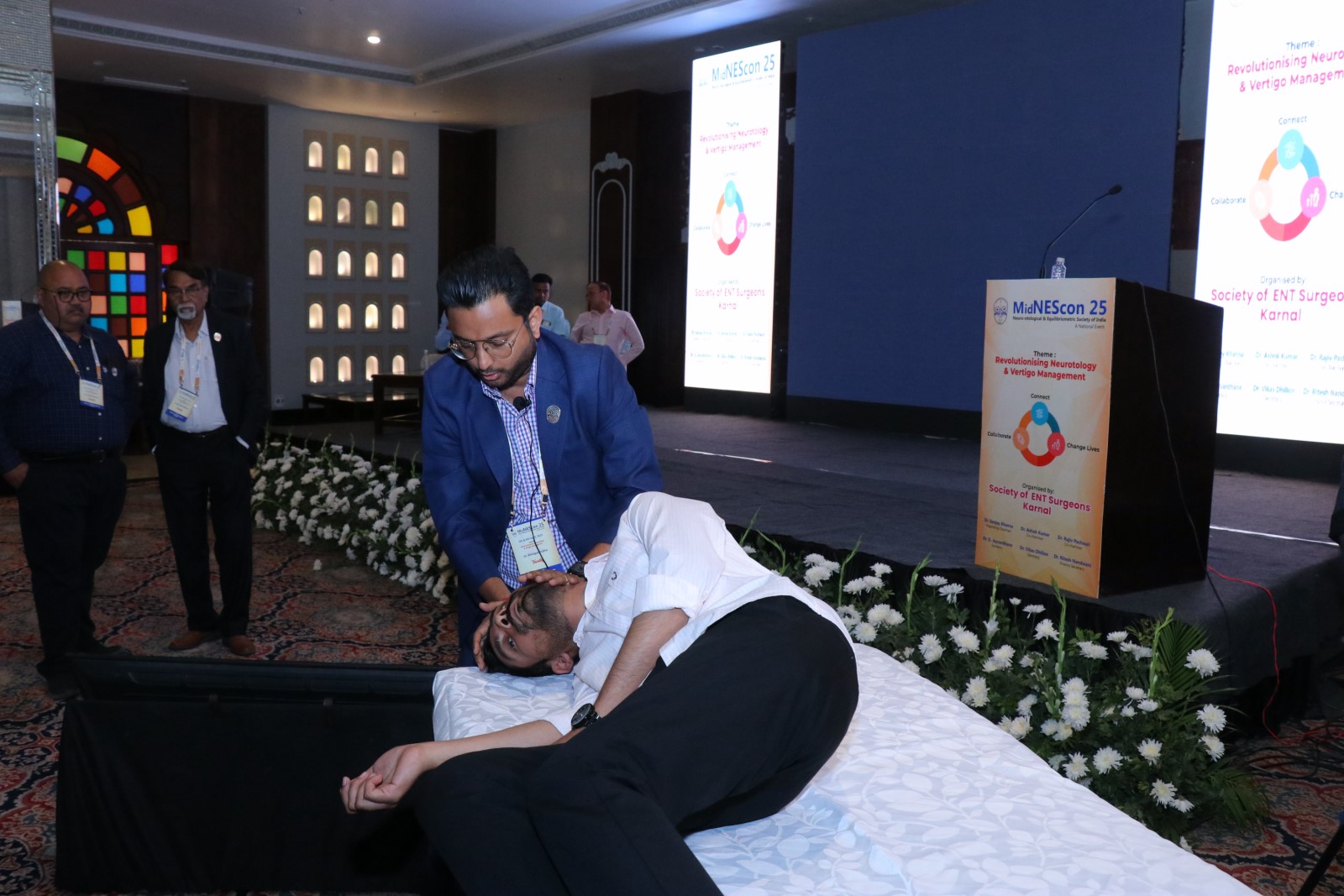
This includes orthostatic blood pressure measurement, nystagmus assessment, and the Dix-Hallpike maneuver for triggered vertigo.

Audiometry

An audiometry exam tests your ability to hear sounds. Sounds vary, based on their loudness (intensity) and the speed of sound wave vibrations (tone).

Videonystagmography

A test that measures a type of involuntary eye movement called Videonystagmography. To differentiate whether the Vertigo is caused by Central(Brain) or Peripheral(inner ear) problems.

Video Head Impulse Test

A test to identify the overt and covert saccades and study the gain of the vestibulo-ocular reflex (VOR) of each semicircular canal

Dynamic Visual Acuity

Objective, behavioral assessment of vestibule-ocular reflex (VOR) function in response to rotational or functional head movement stimuli.

MANEUVER

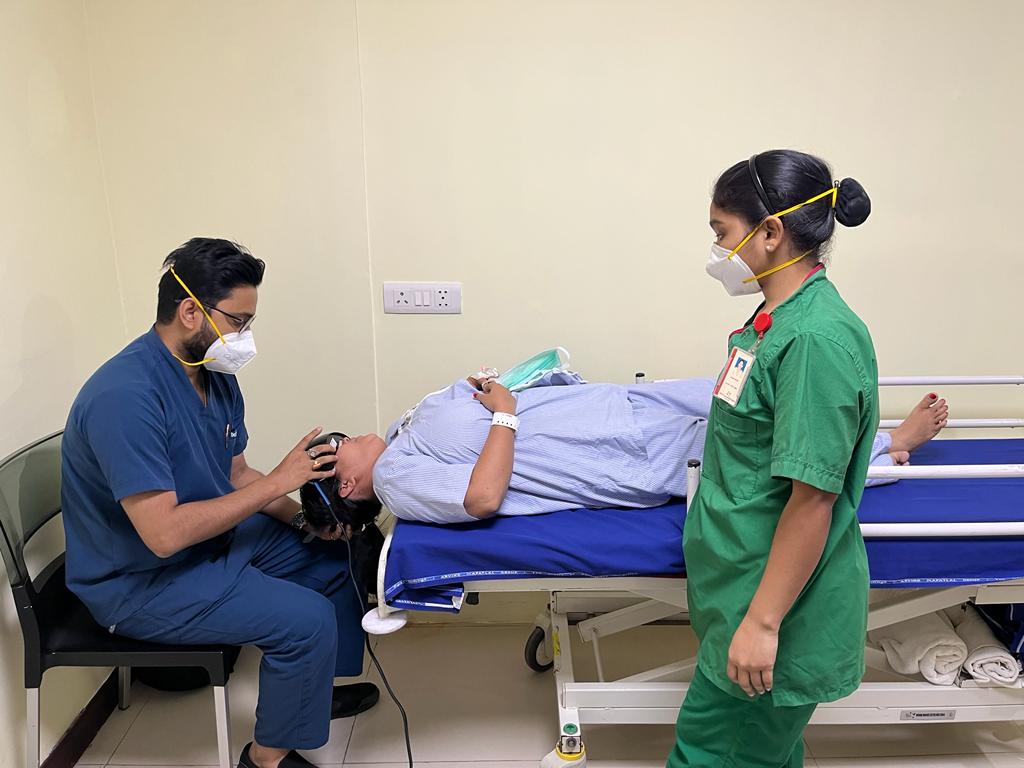
EPLEYS is a therapeutic maneuver to treat the posterior canal benign paroxysmal positional Vertigo (BPPV).

Subjective Visual Vertical (SVV)

To detect the functions of higher cortex of the brain and utricles

cVEMP / oVEMP

cVEMP test is believed to assess saccular vestibular signals carried via the vestibulospinal tract & oVEMP is an evoked potential measured from the inferior oblique muscle and to assess the function of utricles of the vestibular system.

Electrocochleography

To assess the presence of any hydrops in the ear and thus helpful in diagnosis of Meniere's disease

Look What says our patient says About Me

Blogs

By Best Vertigo Doctor in Kolkata, West Bengal

Can Ear Infections Cause Vertigo? What You Need to Know
28Mar

Can Ear Infections Cause Vertigo? What You Need to Know

Ear infections are a common health problem that can affect both children and adults. While most people associate ear infections with pain and hearing problems, they can also lead to dizziness or vertigo in certain cases. Understanding how ear infections affect balance can help individuals recognize symptoms early and seek appropriate treatment. The Connection Between the Ear and Balance The inner ear plays a crucial role in maintaining balance. It contains a structure called the vestibular system, which sends signals to the brain about body movement and position. When this system functions properly, it helps us maintain stability while walking, standing, or moving. However, when an infection affects the inner ear, it can disrupt these balance signals and cause vertigo. Types of Ear Infections That Can Cause Vertigo Certain ear infections are more likely to trigger dizziness or vertigo. Labyrinthitis This condition occurs when the inner ear becomes inflamed due to a viral or bacterial infection. It can cause severe vertigo, hearing loss, and nausea. Vestibular Neuritis Vestibular neuritis affects the vestibular nerve, which carries balance signals from the inner ear to the brain. This condition often causes sudden and intense vertigo. Middle Ear Infections In some cases, severe middle ear infections can also affect balance and lead to dizziness. If these symptoms occur, consulting the best ENT doctor or a best vertigo specialist in Kolkata is essential for accurate diagnosis. Symptoms to Watch For Vertigo caused by ear infections may be accompanied by symptoms such as: These symptoms can vary depending on the severity of the infection. Treatment Options Treatment for vertigo caused by ear infections depends on the underlying cause. Common treatment methods include: Early treatment is important to prevent complications and reduce symptoms effectively. Importance of Consulting a Specialist If vertigo occurs along with ear infection symptoms, it is important to seek medical care promptly. A top vertigo doctor in Kolkata can perform detailed examinations to determine whether the dizziness is related to the ear or another medical condition. In complex cases, patients may also benefit from consulting a top vertigo doctor in India who specializes in balance disorders. Conclusion Ear infections can sometimes affect the inner ear and disrupt the body’s balance system, leading to vertigo symptoms. Recognizing the early signs and seeking timely treatment can prevent complications and improve recovery. Consulting the best vertigo specialist in India can help ensure proper diagnosis and effective management of vertigo caused by ear infections.

Vertigo and Screen Time: What You Should Know
25Mar

Vertigo and Screen Time: What You Should Know

With the increasing use of smartphones, laptops, and digital devices, screen time has become a major part of daily life. While technology offers many benefits, excessive screen exposure can sometimes trigger dizziness or vertigo in certain individuals. Understanding the connection between vertigo and screen time can help people take preventive steps and protect their balance health. How Screen Time Affects Balance The human body maintains balance using information from three main systems: the inner ear, the eyes, and the sensory nerves in muscles and joints. When these systems work together smoothly, we can move and maintain stability without difficulty. However, prolonged screen time can create a mismatch between visual input and balance signals from the inner ear. This sensory conflict may lead to dizziness, headaches, or a spinning sensation commonly associated with vertigo. People who already suffer from vestibular disorders are particularly sensitive to visual triggers such as fast-moving graphics, scrolling text, and virtual motion on screens. Symptoms Linked to Excessive Screen Time Some individuals may experience symptoms such as: If these symptoms occur frequently, consulting the best ENT doctor or a top vertigo doctor Kolkata can help determine the underlying cause. Risk Factors Certain factors can increase the likelihood of vertigo symptoms during screen use: Identifying these risk factors can help individuals take preventive measures. Ways to Reduce Screen-Related Vertigo Reducing screen-related dizziness requires small but effective lifestyle changes. Limit Continuous Screen Time Taking regular breaks can prevent visual overload and reduce dizziness. Optimize Screen Settings Lowering brightness, increasing text size, and reducing motion effects can help minimize discomfort. Improve Workspace Ergonomics Position your screen at eye level and maintain proper posture while working. Stay Hydrated Dehydration can worsen dizziness and fatigue. Practice Eye Exercises Simple eye relaxation techniques can reduce strain caused by prolonged focus on screens. When to Consult a Specialist If vertigo symptoms persist despite lifestyle adjustments, professional evaluation is necessary. A best vertigo specialist in Kolkata can assess whether the condition is related to inner ear disorders, visual strain, or neurological factors. Specialists may recommend vestibular therapy, balance exercises, or medical treatment to manage symptoms effectively. Conclusion While screen time has become unavoidable in modern life, excessive exposure can sometimes contribute to dizziness and vertigo symptoms. By managing screen habits, improving workplace ergonomics, and seeking medical advice when necessary, individuals can reduce discomfort and maintain better balance health. Consulting a best vertigo specialist in India can help ensure accurate diagnosis and effective treatment for persistent vertigo symptoms.

How to Manage Vertigo While Working on a Computer
17Mar

How to Manage Vertigo While Working on a Computer

In today’s digital world, many people spend long hours working on computers. For individuals who suffer from vertigo, extended screen time can sometimes trigger dizziness, imbalance, or discomfort. Understanding how to manage vertigo while working on a computer is important for maintaining productivity and overall well-being. Why Computer Work Can Trigger Vertigo Working on a computer requires constant eye movement and focus, which can strain the visual system. The brain processes signals from the eyes, inner ear, and body to maintain balance. When these signals become inconsistent, such as from prolonged screen exposure – it may lead to dizziness or vertigo symptoms. People with vestibular disorders may be more sensitive to visual stimuli such as scrolling text, fast animations, or bright screens. Common Symptoms While Using a Computer Individuals experiencing vertigo while working on a computer may notice symptoms such as: If these symptoms occur frequently, it is advisable to consult the best ENT doctor or a top vertigo doctor Kolkata for proper diagnosis. Practical Tips to Manage Vertigo During Computer Work Fortunately, several simple strategies can help reduce vertigo symptoms while using a computer. 1. Follow the 20-20-20 Rule Every 20 minutes, take a 20-second break and look at something 20 feet away. This helps relax the eye muscles and reduce visual strain. 2. Adjust Screen Brightness Excessively bright screens can trigger dizziness. Adjust brightness and contrast settings so that they match the surrounding lighting conditions. 3. Maintain Proper Posture Sitting with poor posture can strain neck muscles and affect balance signals. Ensure that your monitor is at eye level and your back is properly supported. 4. Reduce Screen Glare Use anti-glare screens or position your monitor away from strong light sources to reduce visual discomfort. 5. Take Regular Breaks Frequent short breaks can help your brain reset and reduce symptoms. When to Seek Medical Help If vertigo symptoms persist despite lifestyle adjustments, it may indicate an underlying vestibular disorder. Consulting the best vertigo specialist in Kolkata can help determine whether the symptoms are related to inner ear problems or other conditions. Specialists may recommend vestibular rehabilitation therapy or specific exercises designed to improve balance and reduce dizziness. Long-Term Management Managing vertigo often involves a combination of medical treatment and lifestyle changes. Vestibular exercises, proper hydration, stress management, and limiting excessive screen exposure can significantly reduce symptoms. For individuals with chronic vertigo, consulting a best vertigo specialist in India can help develop a personalized treatment plan. Conclusion Vertigo can make computer work challenging, but simple adjustments in screen habits, posture, and work routines can greatly reduce symptoms. If dizziness persists, seeking guidance from a top vertigo doctor in India can help identify the cause and provide effective treatment so you can continue working comfortably.

Scroll to Top