Dizziness When Standing Up: Is It Vertigo or Low Blood Pressure?

Dizziness When Standing Up: Is It Vertigo or Low Blood Pressure?

Do you feel dizzy when standing up after sitting for a long time or getting out of bed in the morning? You may experience lightheadedness, blurred vision, weakness, or a sensation that you are about to faint. Many people describe these symptoms as vertigo, but dizziness when standing up does not always originate from the inner ear. One possible cause is a drop in blood pressure when changing position. Understanding the difference between vertigo and postural hypotension can help you seek the appropriate evaluation. What Is the Difference Between Vertigo and Low Blood Pressure? 1. Vertigo: A False Sensation of Movement Vertigo is the sensation that you or your surroundings are spinning, tilting, or moving when they are not. One common cause is Benign Paroxysmal Positional Vertigo (BPPV), which occurs when tiny calcium crystals inside the inner ear move into the wrong location. People with BPPV may experience brief spinning when rolling over in bed, looking upwards, bending down, or turning their head. Vertigo can also occur due to vestibular migraine and other vestibular disorders. 2. Postural Hypotension: A Drop in Blood Pressure Postural hypotension, also called orthostatic hypotension, occurs when blood pressure falls after standing up from a sitting or lying position. Symptoms may include: Possible causes include dehydration, blood loss, certain medications, and medical conditions affecting blood pressure regulation. 3. Can Both Conditions Occur Together? Yes. A person may have a vestibular disorder and a separate problem affecting blood pressure. The symptoms can also overlap, making self-diagnosis difficult. The timing of dizziness, the sensation experienced, associated symptoms, and examination findings help a doctor determine the likely cause. How Can You Reduce Dizziness When Standing? If you feel lightheaded, sit or lie down immediately to reduce the risk of falling. When you feel better, change positions gradually. Sit at the edge of the bed before standing, and use support if needed. Maintain adequate fluid intake unless a doctor has advised you to restrict fluids. Do not stop prescribed medication without consulting your healthcare professional. If episodes keep occurring, arrange a medical assessment. Your doctor may measure blood pressure while lying down and standing, review your medications, and perform additional tests depending on your symptoms. How Are Vertigo and Postural Hypotension Treated? Treatment depends on the underlying cause. BPPV may respond to specific canalith repositioning manoeuvres performed by a trained professional. Vestibular migraine may require migraine-focused treatment and lifestyle changes. Postural hypotension may be managed by addressing dehydration, reviewing medications, and treating any underlying condition. Some people require additional treatment under medical supervision. When Should You Seek Emergency Care? Seek emergency medical attention if dizziness occurs with chest pain, fainting during exertion, severe breathlessness, new weakness, difficulty speaking, double vision, or a sudden inability to walk normally. Do not assume that sudden or severe dizziness is simply low blood pressure or vertigo. Consult a Vertigo Specialist in Kolkata If you regularly feel dizzy when standing up, an accurate diagnosis can help you avoid inappropriate treatment and reduce the risk of falls. If you are searching for the best vertigo doctor Kolkata or a top vertigo doctor Kolkata, look for a specialist who can assess vestibular symptoms and help determine whether further evaluation for blood pressure or other medical causes is needed.
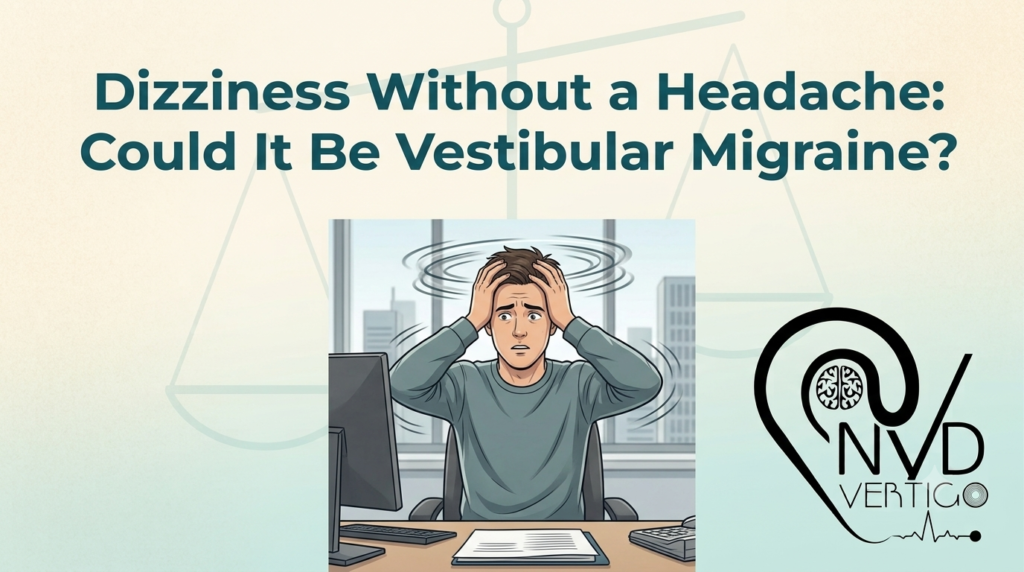

Dizziness Without a Headache: Could It Be Vestibular Migraine?

Dizziness Without a Headache: Could It Be Vestibular Migraine?

Many people associate migraines with severe headaches, throbbing pain, and sensitivity to light. However, migraine can sometimes affect the balance system without causing a headache. If you experience spinning sensations, unsteadiness, motion sensitivity, or dizziness without head pain, vestibular migraine may be one possible explanation. Recognising the symptoms can help you understand when to seek medical advice. What Is Vestibular Migraine? Vestibular migraine is a condition in which migraine is associated with episodes of vestibular symptoms, including vertigo and dizziness. The vestibular system helps your brain interpret head movement and maintain balance. When this system is affected, you may feel as though the surroundings are moving, experience a spinning sensation, or struggle with balance. Importantly, a headache does not need to occur during every episode. Some people experience dizziness as their main symptom. Common Symptoms of Vestibular Migraine Symptoms can vary from person to person. They may include: Episodes can last from minutes to hours and, in some cases, up to several days. Not everyone experiences the same combination of symptoms. What Triggers Vestibular Migraine? Certain factors may trigger episodes in susceptible individuals. Common examples include inadequate sleep, stress, dehydration, skipped meals, hormonal changes, and specific foods or environmental stimuli. Triggers differ between individuals. Keeping a diary of dizziness episodes, sleep patterns, meals, and associated symptoms may help identify personal patterns. Maintaining regular sleep, eating at consistent times, staying hydrated, and managing stress may help some people reduce the frequency of episodes. How Is Vestibular Migraine Different From Other Causes of Vertigo? Vestibular migraine can resemble several other conditions. Benign Paroxysmal Positional Vertigo (BPPV) usually causes brief episodes of spinning triggered by specific head positions. Vestibular migraine may cause longer episodes and can be associated with light sensitivity, sound sensitivity, or motion intolerance. Low blood pressure may cause lightheadedness when standing up. Inner ear conditions may produce dizziness alongside hearing loss, ringing, or ear fullness. These differences can provide useful clues, but symptoms alone cannot always establish the diagnosis. How Is Vestibular Migraine Diagnosed? There is no single test that confirms every case of vestibular migraine. Diagnosis generally involves reviewing your symptoms, migraine history, episode duration, and examination findings while considering other possible causes. Depending on the presentation, a doctor may recommend hearing or vestibular tests and other investigations. Treatment may involve identifying triggers, improving sleep habits, migraine-prevention medication, or medicines to manage selected symptoms. The treatment plan depends on symptom frequency, severity, medical history, and other individual factors. When Should You Consult a Doctor? If dizziness repeatedly affects your daily activities, walking, or ability to work, arrange a medical assessment. Sudden dizziness accompanied by weakness, difficulty speaking, double vision, severe headache, or inability to walk requires emergency evaluation. Looking for a Vertigo Doctor in Kolkata? Dizziness without a headache can be confusing, particularly when migraine has never been diagnosed. A careful assessment can help distinguish vestibular migraine from other causes of vertigo. If you are searching for the best vertigo doctor Kolkata or a top vertigo doctor Kolkata, consider a specialist experienced in evaluating vestibular symptoms and migraine-related dizziness.

Why Do I Feel Unsteady While Walking? Causes of Balance Problems

Why Do I Feel Unsteady While Walking? Causes of Balance Problems

Do you sometimes feel unsteady while walking, as though you might stumble or lose your balance? You may notice yourself holding onto walls, walking more slowly, or feeling uncomfortable on uneven surfaces. Balance problems can affect people of different ages and may develop gradually or appear suddenly. Although dizziness is one possible cause, not everyone with a balance problem experiences a spinning sensation. Identifying the underlying cause is important because treatment depends on the body system responsible for maintaining balance. What Causes Unsteadiness While Walking? 1. Inner Ear and Vestibular Disorders The inner ear contains structures that help your brain understand the position and movement of your head. When this balance system does not function properly, you may feel dizzy, unsteady, or disoriented while walking. Vestibular disorders can also cause nausea, difficulty turning your head while moving, and discomfort in visually busy environments. Benign Paroxysmal Positional Vertigo (BPPV) typically causes brief spinning triggered by particular head positions. However, some people also experience residual unsteadiness between episodes. 2. Vestibular Migraine Vestibular migraine is another possible cause of imbalance. It can produce dizziness, motion sensitivity, and difficulty maintaining a steady walking pattern. A headache is not always present during an episode. Some people experience sensitivity to light, sound, or movement alongside their balance symptoms. 3. Problems With Vision Your brain uses visual information to help maintain balance. Changes in eyesight or difficulty processing visual information can make walking more challenging, particularly in dim lighting or unfamiliar surroundings. An eye examination may be useful when vision-related problems are suspected. 4. Peripheral Neuropathy Peripheral neuropathy affects the nerves that carry sensory information from the feet and legs to the brain. When these signals are reduced, a person may struggle to sense foot position and maintain balance. Symptoms may include numbness, tingling, or reduced sensation in the feet. Diabetes and other medical conditions can contribute to peripheral neuropathy. 5. Muscle Weakness and Joint Problems Weak leg muscles, painful joints, and reduced mobility can affect walking stability. These problems may become more noticeable when climbing stairs, walking on uneven ground, or standing up from a chair. Physiotherapy and appropriate treatment for the underlying condition may help improve mobility. 6. Neurological Conditions and Medication Effects Certain neurological disorders can affect coordination, walking, and balance. Some medications can also cause dizziness or unsteadiness. A medical assessment can help determine whether your symptoms are related to medication, a vestibular disorder, or another underlying problem. How Are Balance Problems Evaluated? A doctor may assess your walking pattern, coordination, eye movements, muscle strength, sensation, and balance. Hearing tests, blood tests, imaging, or specialist vestibular assessments may be recommended when appropriate. Treatment may include vestibular rehabilitation, balance exercises supervised by a professional, medication adjustments, or management of the underlying condition. When Is Unsteadiness an Emergency? Seek emergency medical care if sudden unsteadiness occurs with difficulty speaking, double vision, facial drooping, new weakness, severe headache, or an inability to stand or walk. These may indicate a serious neurological problem. If balance difficulties develop gradually or keep returning, arrange a medical assessment rather than assuming the cause is vertigo. Finding a Vertigo Specialist in Kolkata Persistent balance problems can affect confidence, independence, and quality of life. Early assessment can help identify the cause and guide suitable treatment. If you are searching for the best vertigo doctor Kolkata or a top vertigo doctor Kolkata, look for a specialist experienced in evaluating dizziness, vestibular conditions, and balance disorders.

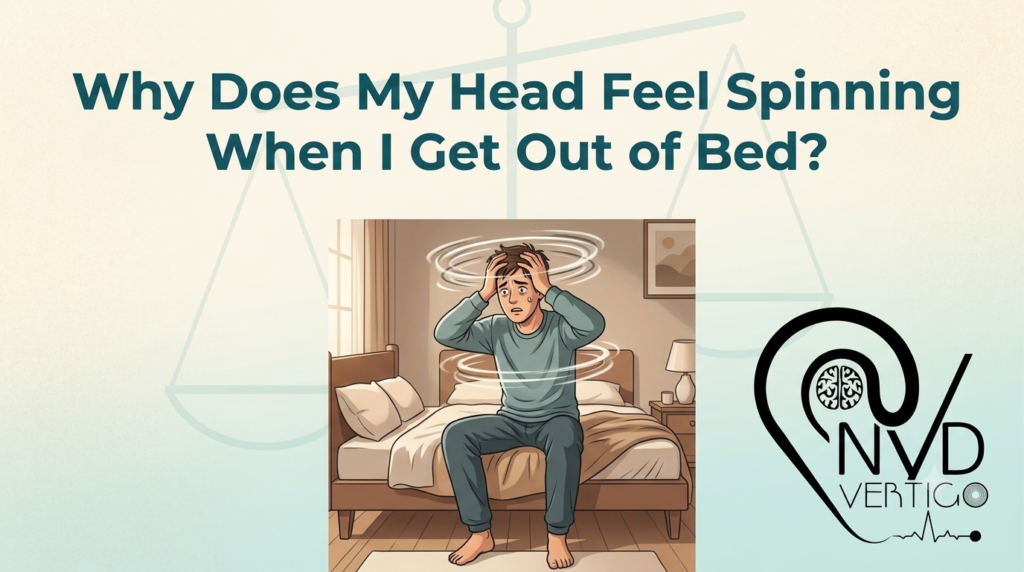
Why Does My Head Feel Spinning When I Get Out of Bed?

Why Does My Head Feel Spinning When I Get Out of Bed?

Do you experience a spinning sensation when getting out of bed in the morning? Perhaps the room seems to move when you sit up, turn to one side, or stand after lying down for several hours. This experience can be frightening, especially when it happens repeatedly. Morning dizziness can have several causes. Understanding when the spinning begins, how long it lasts, and whether other symptoms occur can help identify the underlying problem. Common Causes of Morning Vertigo 1. Benign Paroxysmal Positional Vertigo (BPPV) BPPV is a common cause of brief spinning episodes triggered by changes in head position. It occurs when tiny calcium crystals move into an inappropriate part of the inner ear’s balance system. Symptoms may begin when you roll over in bed, sit up, lie back, or turn your head towards one side. The spinning usually lasts less than a minute, although nausea or unsteadiness may continue afterwards. BPPV can often be treated using specific canalith repositioning manoeuvres after the affected ear and involved canal have been identified. 2. Low Blood Pressure on Standing If dizziness starts mainly when you move from lying down or sitting to standing, postural hypotension may be responsible. This happens when blood pressure drops after you stand up. You may feel lightheaded, weak, or as though you might faint. Unlike typical positional vertigo, the sensation is not always a clear feeling that the room is spinning. Dehydration, certain medications, and some medical conditions can contribute to this problem. 3. Dehydration Not drinking enough fluids, excessive sweating, vomiting, or diarrhoea can lead to dehydration. This may cause lightheadedness, weakness, and difficulty tolerating sudden changes in posture. Drinking adequate fluids may help when dehydration is responsible, but persistent dizziness requires medical assessment. 4. Vestibular Migraine and Other Inner Ear Conditions Vestibular migraine can cause episodes of spinning, imbalance, or sensitivity to movement, sometimes without a headache. Other inner ear disorders may also cause dizziness, particularly when accompanied by hearing changes, nausea, or persistent imbalance. The duration and pattern of symptoms help distinguish between these conditions. What Should You Do When You Feel Dizzy in the Morning? If you experience spinning or lightheadedness after waking up, sit or lie down somewhere safe until the sensation settles. Avoid walking without support, driving, or climbing stairs while dizzy. When getting out of bed, move gradually from lying down to sitting, pause briefly, and then stand with support if you feel steady enough. This may reduce symptoms associated with postural changes, but it will not treat every cause of vertigo. Avoid attempting head repositioning exercises without guidance if the diagnosis is uncertain, particularly if you have neck problems or other medical concerns. When Should You Seek Medical Help? Repeated morning dizziness deserves assessment, especially if it affects your ability to walk or perform daily activities. Seek emergency medical attention if dizziness occurs with new weakness, facial drooping, difficulty speaking, double vision, severe headache, chest pain, or fainting. A doctor may perform positional tests, check blood pressure while lying and standing, review medications, and assess your balance system. Consult a Vertigo Specialist in Kolkata The correct treatment depends on why you experience dizziness when getting out of bed. BPPV, postural hypotension, and vestibular migraine require different approaches. If you are looking for the best vertigo doctor Kolkata or a top vertigo doctor Kolkata, consider consulting a specialist with experience in diagnosing vertigo and balance disorders.

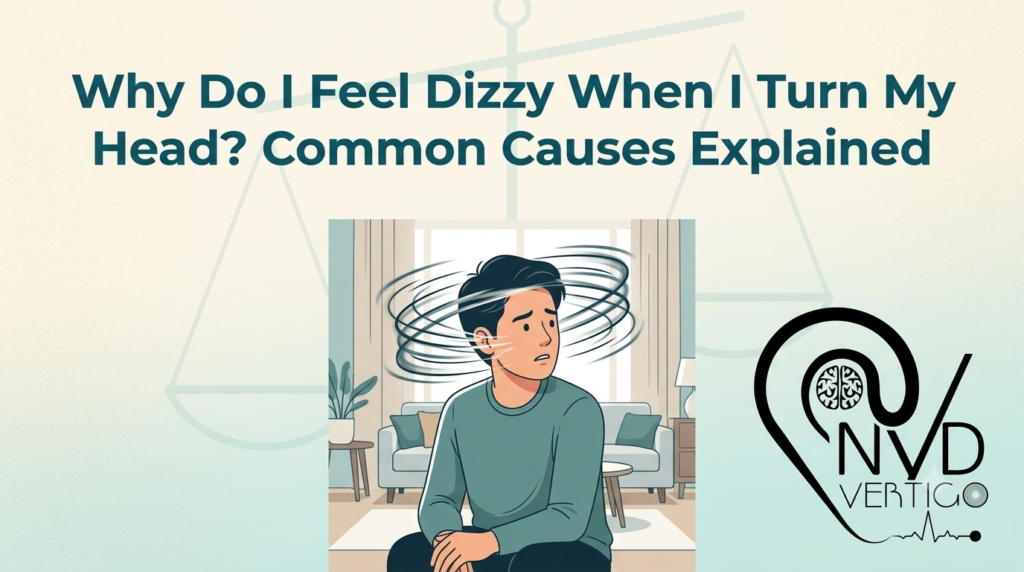
Why Do I Feel Dizzy When I Turn My Head? Common Causes Explained

Why Do I Feel Dizzy When I Turn My Head? Common Causes Explained

Have you ever felt dizzy when turning your head to look sideways, looking up, or bending down? This sensation can be uncomfortable and may make you feel as though the room is spinning or that you are losing your balance. Head movement-related dizziness is a common symptom, and it can occur for several reasons. Understanding the possible causes can help you determine when to seek medical attention. What Causes Dizziness When Turning Your Head? 1. Benign Paroxysmal Positional Vertigo (BPPV) One of the most common causes of head movement-related dizziness is Benign Paroxysmal Positional Vertigo, commonly known as BPPV. It occurs when tiny calcium crystals inside the inner ear move into the wrong part of the balance system. People with BPPV may experience brief episodes of spinning when turning their head, rolling over in bed, looking upwards, or bending forward. The sensation typically lasts a few seconds to a minute. BPPV can often be treated with specific head and body movements performed by a trained healthcare professional. 2. Vestibular Migraine Vestibular migraine can cause dizziness, a spinning sensation, or difficulty maintaining balance. Unlike a typical migraine, it may occur without a headache. Some people notice that head movements, busy visual environments, or travelling in a vehicle make their symptoms worse. Episodes may last from minutes to hours, and sometimes longer. 3. Inner Ear Disorders The inner ear plays an important role in maintaining balance. Conditions affecting the vestibular system can cause dizziness, nausea, and unsteadiness. Depending on the underlying condition, you may also experience hearing changes, ringing in the ears, or a feeling of fullness in one ear. 4. Neck-Related Problems Some people experience dizziness alongside neck pain, stiffness, or reduced neck movement. Cervical spine problems may contribute to these symptoms, although neck-related dizziness can be difficult to diagnose because other vestibular and neurological conditions may cause similar complaints. 5. Other Possible Causes Dehydration, certain medications, low blood pressure, and neurological conditions can also contribute to dizziness. The pattern of symptoms and accompanying signs help a doctor determine the likely cause. When Should You Consult a Doctor? Occasional dizziness may not always indicate a serious problem, but recurring episodes should not be ignored. Consult a healthcare professional if dizziness interferes with walking, driving, working, or daily activities. Seek emergency medical care if dizziness begins suddenly with difficulty speaking, double vision, weakness or numbness, a severe unusual headache, or an inability to walk normally. How Is Head Movement-Related Dizziness Diagnosed? A doctor may review your medical history, examine your eye movements, assess balance, and perform positional tests when appropriate. Further investigations may be recommended depending on your symptoms. Treatment depends on the cause and may include repositioning manoeuvres, vestibular rehabilitation, medication for selected conditions, or migraine management. Finding the Right Vertigo Specialist in Kolkata If you frequently experience dizziness when turning your head, an accurate diagnosis is the first step towards effective treatment. Consulting an experienced specialist can help identify whether your symptoms originate from the inner ear, migraine, blood pressure changes, or another condition. If you are searching online for the best vertigo doctor Kolkata or a top vertigo doctor Kolkata, look for a specialist experienced in evaluating dizziness and balance disorders.

Best Vertigo Doctor in Kolkata: What Tests May Be Recommended for Vertigo?

best vertigo doctor in Kolkata

Vertigo can have several possible causes, which is why a detailed evaluation may sometimes involve more than a basic consultation. If you are searching for the best vertigo doctor in Kolkata, you may also want to understand what types of tests can be recommended during a vertigo assessment. The tests recommended can vary depending on your symptoms, medical history, and findings during the clinical examination. There is no single test that is suitable for every person experiencing vertigo. Balance and movement assessment A doctor may perform specific clinical examinations to assess balance, eye movements, posture, and responses to certain head or body movements. These observations can provide useful information about the balance system. Hearing evaluation Because the inner ear plays an important role in both hearing and balance, a hearing assessment may sometimes be recommended. This can help identify changes that may be relevant to the overall evaluation. Vestibular testing Depending on the symptoms, specialised vestibular tests may be recommended to assess how the balance organs and related pathways are functioning. The specific test depends on the clinical situation. Imaging In selected cases, imaging investigations may be advised when the doctor feels they are appropriate. These may help rule out certain conditions or investigate symptoms that require further evaluation. Blood tests or other investigations Sometimes, additional investigations may be considered depending on the person’s overall health and symptoms. It is important to remember that not everyone with vertigo needs every available test. The best vertigo doctor in Kolkata will generally determine which investigations are appropriate based on the individual’s symptoms and clinical findings. If you experience recurring vertigo, keeping a record of when episodes occur, how long they last, and what seems to trigger them can be useful during your consultation. A detailed history combined with appropriate examination and testing can help create a clearer picture of the problem.

What to Expect During Your First Visit to the Best Vertigo Doctor in Kolkata

best vertigo doctor in Kolkata

If you are visiting a vertigo specialist for the first time, knowing what to expect can make the consultation more comfortable. If you have been searching for the best vertigo doctor in Kolkata, your first appointment will generally begin with a detailed discussion about your symptoms and medical history. The doctor may first ask you to describe what you experience. Try to explain whether you feel that the surroundings are spinning, you feel light-headed, or you have difficulty maintaining your balance. You may also be asked questions such as when the symptoms started, how frequently they occur, how long each episode lasts, and whether particular movements or situations trigger them. Your medical history can also be important. Tell the doctor about previous ear problems, medications, previous investigations, or earlier episodes of dizziness or vertigo. After discussing your symptoms, the doctor may perform a clinical examination. Depending on your symptoms and findings, additional tests may sometimes be recommended. These tests can help evaluate the balance system and provide more information about the possible cause of your symptoms. It can be helpful to bring previous medical reports, scan reports, prescriptions, and a list of current medications to your appointment. You may also want to note down when your symptoms occur before visiting the doctor. During the consultation, do not hesitate to ask questions. You can ask about the possible cause of your symptoms, whether further evaluation is required, and what the next steps may be. The best vertigo doctor in Kolkata for you should be someone who takes the time to understand your symptoms and provides a clear evaluation and treatment plan based on your individual situation. Being prepared for your first appointment can help you communicate your symptoms more clearly and make the consultation more productive.

Best Vertigo Doctor in Kolkata for Recurrent Dizziness and Balance Problems

Best Vertigo Doctor in Kolkata for Recurrent Dizziness and Balance Problems

Experiencing dizziness or balance problems occasionally can be unsettling, but repeated episodes may interfere with work, travel, exercise, and everyday activities. If dizziness or vertigo keeps returning, a detailed evaluation can help identify possible causes and determine the appropriate next steps. When looking for the best vertigo doctor in Kolkata, consider consulting a specialist experienced in evaluating recurring vertigo and balance-related symptoms. Recurrent dizziness can feel different from person to person. Some people describe a spinning sensation, while others may feel unsteady, off-balance, or as though they are moving when they are standing still. Keeping track of your symptoms can be useful. Note when an episode occurs, how long it lasts, what you were doing beforehand, and whether moving your head, standing up, walking, or changing position appears to trigger it. The doctor may also ask about associated symptoms, previous episodes, ear-related concerns, medications, and any previous investigations. A clinical examination can then help determine whether additional testing may be appropriate. Balance problems can sometimes affect confidence as well as daily routines. People may start avoiding activities because they are worried that dizziness will return. This can make it particularly important to understand the symptoms rather than simply ignoring repeated episodes. There is no single approach that works for every person with recurrent dizziness. The appropriate evaluation depends on the pattern of symptoms and the findings during consultation. If you are searching for the best vertigo doctor in Kolkata, look for a specialist who takes a detailed history, evaluates your symptoms carefully, and explains the possible next steps clearly. Most importantly, do not rely only on online information to identify the cause of recurring vertigo. A proper clinical assessment can help determine whether further investigation or specialist care is required.

How to Choose the Best Vertigo Doctor in Kolkata: 7 Things to Consider

best vertigo doctor in Kolkata

Vertigo can affect your balance, movement, concentration, and everyday activities. Since dizziness and vertigo can have different causes, choosing the right specialist is an important step toward proper evaluation and care. If you are looking for the best vertigo doctor in Kolkata, here are seven things you can consider before making an appointment. 1. Look at the doctor’s experience Check the doctor’s professional background and experience in managing vertigo, dizziness, and balance-related concerns. A specialist who regularly evaluates vertigo may be familiar with different types and presentations. 2. Consider the areas of expertise Vertigo can be associated with the inner ear and balance system, among other causes. Look for a doctor whose area of practice includes vertigo and related balance disorders. 3. Understand the diagnostic approach A good evaluation begins with understanding your symptoms and medical history. Depending on your symptoms, the doctor may recommend specific examinations or tests to identify possible causes. 4. Check the consultation process Before booking, understand where the doctor consults, appointment timings, and whether follow-up consultations are available. This can make ongoing care more convenient. 5. Read patient experiences Patient reviews can provide an idea about the consultation experience, communication, and overall approach. However, reviews should be considered alongside the doctor’s qualifications and expertise. 6. Look for personalised evaluation Vertigo does not affect everyone in exactly the same way. A detailed consultation can help the doctor understand your specific symptoms instead of relying on a one-size-fits-all approach. 7. Choose a convenient location Accessibility can be important, particularly when follow-up visits are required. Consider consultation locations that are convenient for you. Finding the best vertigo doctor in Kolkata is ultimately about choosing a qualified specialist who can carefully evaluate your symptoms and guide you through the next steps. Taking time to research your options can help you make a more informed decision.

Looking for the Best Vertigo Doctor in Kolkata? Questions to Ask Before Your Appointment

Looking for the Best Vertigo Doctor in Kolkata? Questions to Ask Before Your Appointment

Choosing a doctor for recurring vertigo or dizziness is an important decision. If you are looking for the best vertigo doctor in Kolkata, preparing a few questions before your appointment can help you understand the consultation and what to expect. 1. What could be causing my symptoms? Ask the doctor what possible causes may explain your particular pattern of vertigo or dizziness. The answer may depend on your symptoms and examination findings. 2. Do I need any tests? Ask whether additional investigations may be useful. Not everyone with vertigo requires the same tests, so the doctor can explain which ones may be relevant to your situation. 3. What should I track before my next appointment? Keeping a record of your symptoms can be helpful. Ask whether you should note the duration, frequency, triggers, or other details associated with each episode. 4. Could my symptoms be related to my balance system? The balance system involves several parts of the body. Your doctor can explain whether your symptoms suggest an issue that requires further evaluation. 5. What are the next steps? Ask what happens after the initial consultation. This could include further testing, treatment, monitoring, or a follow-up appointment depending on the findings. 6. When should I seek urgent medical attention? It is useful to understand which symptoms require immediate medical assessment rather than waiting for a routine appointment. 7. What information should I bring? Previous reports, prescriptions, scan results, and a list of current medications can help provide a clearer medical history. The best vertigo doctor in Kolkata is not simply someone who appears in search results. Look for a qualified specialist who listens carefully, explains the evaluation clearly, and provides guidance based on your individual symptoms. Preparing your questions in advance can make your consultation more organised and help you have a better understanding of the next steps.

Scroll to Top