Uncategorized

Best Vertigo Doctor in Kolkata for Recurrent Dizziness and Balance Problems

Best Vertigo Doctor in Kolkata for Recurrent Dizziness and Balance Problems

Experiencing dizziness or balance problems occasionally can be unsettling, but repeated episodes may interfere with work, travel, exercise, and everyday activities. If dizziness or vertigo keeps returning, a detailed evaluation can help identify possible causes and determine the appropriate next steps. When looking for the best vertigo doctor in Kolkata, consider consulting a specialist experienced in evaluating recurring vertigo and balance-related symptoms. Recurrent dizziness can feel different from person to person. Some people describe a spinning sensation, while others may feel unsteady, off-balance, or as though they are moving when they are standing still. Keeping track of your symptoms can be useful. Note when an episode occurs, how long it lasts, what you were doing beforehand, and whether moving your head, standing up, walking, or changing position appears to trigger it. The doctor may also ask about associated symptoms, previous episodes, ear-related concerns, medications, and any previous investigations. A clinical examination can then help determine whether additional testing may be appropriate. Balance problems can sometimes affect confidence as well as daily routines. People may start avoiding activities because they are worried that dizziness will return. This can make it particularly important to understand the symptoms rather than simply ignoring repeated episodes. There is no single approach that works for every person with recurrent dizziness. The appropriate evaluation depends on the pattern of symptoms and the findings during consultation. If you are searching for the best vertigo doctor in Kolkata, look for a specialist who takes a detailed history, evaluates your symptoms carefully, and explains the possible next steps clearly. Most importantly, do not rely only on online information to identify the cause of recurring vertigo. A proper clinical assessment can help determine whether further investigation or specialist care is required.

Looking for the Best Vertigo Doctor in Kolkata? Questions to Ask Before Your Appointment

Looking for the Best Vertigo Doctor in Kolkata? Questions to Ask Before Your Appointment

Choosing a doctor for recurring vertigo or dizziness is an important decision. If you are looking for the best vertigo doctor in Kolkata, preparing a few questions before your appointment can help you understand the consultation and what to expect. 1. What could be causing my symptoms? Ask the doctor what possible causes may explain your particular pattern of vertigo or dizziness. The answer may depend on your symptoms and examination findings. 2. Do I need any tests? Ask whether additional investigations may be useful. Not everyone with vertigo requires the same tests, so the doctor can explain which ones may be relevant to your situation. 3. What should I track before my next appointment? Keeping a record of your symptoms can be helpful. Ask whether you should note the duration, frequency, triggers, or other details associated with each episode. 4. Could my symptoms be related to my balance system? The balance system involves several parts of the body. Your doctor can explain whether your symptoms suggest an issue that requires further evaluation. 5. What are the next steps? Ask what happens after the initial consultation. This could include further testing, treatment, monitoring, or a follow-up appointment depending on the findings. 6. When should I seek urgent medical attention? It is useful to understand which symptoms require immediate medical assessment rather than waiting for a routine appointment. 7. What information should I bring? Previous reports, prescriptions, scan results, and a list of current medications can help provide a clearer medical history. The best vertigo doctor in Kolkata is not simply someone who appears in search results. Look for a qualified specialist who listens carefully, explains the evaluation clearly, and provides guidance based on your individual symptoms. Preparing your questions in advance can make your consultation more organised and help you have a better understanding of the next steps.

Ear Pain: Causes, Symptoms & When It’s Serious

Ear Pain: Causes, Symptoms & When It’s Serious

Ear pain is a common problem that can affect both children and adults. While it may sometimes resolve on its own, persistent or severe pain can indicate a serious issue that requires attention from an ENT doctor in Kolkata. Common Causes of Ear Pain If allergies are contributing to ear pain, visiting an allergy specialist Kolkata or allergy doctor Kolkata can help prevent recurrence. Types of Ear Pain Primary Ear Pain Originates within the ear due to infections or blockages. Referred Ear Pain Comes from nearby areas like the throat, teeth, or sinuses. Symptoms to Watch For Persistent symptoms should be evaluated by the best ENT specialist in Kolkata. When is Ear Pain Serious? Seek immediate medical care if you experience: Diagnosis An ENT doctor in Kolkata may use tools like an otoscope to examine the ear and recommend tests if needed. Treatment Options Prevention Tips Final Thoughts Ear pain should never be ignored, especially if it persists or worsens. Early consultation with the best ENT in Kolkata ensures proper diagnosis and prevents complications.

Migraine vs Vertigo: How to Tell the Difference?

migraine-vs-vertigo-difference

Migraine and vertigo are often confused because both can cause dizziness and discomfort. However, they are completely different conditions with distinct causes and treatments. Understanding the difference is crucial to seek help from the right specialist, whether a migraine specialist or an ENT doctor in Kolkata. What is a Migraine? A migraine is a neurological disorder that causes intense, throbbing headaches, usually on one side of the head. It may also include: If you frequently experience these symptoms, consulting a migraine doctor Kolkata is important. What is Vertigo? Vertigo is a sensation that you or your surroundings are spinning. It is commonly caused by inner ear disorders and is treated by an ENT doctor in Kolkata. Common causes include: Key Differences Feature Migraine Vertigo Primary issue Headache Spinning sensation Cause Neurological Inner ear Duration Hours to days Seconds to minutes Associated symptoms Light sensitivity Balance problems Can They Occur Together? Yes, vestibular migraines combine symptoms of both conditions. This makes diagnosis complex and requires evaluation by the best ENT specialist in Kolkata or a migraine specialist. When Should You See a Doctor? Ignoring these can affect daily life and productivity. Treatment Options For Migraine: For Vertigo: Lifestyle Tips Final Thoughts Understanding whether you’re dealing with migraine or vertigo is the first step toward effective treatment. Consulting the best ENT in Kolkata or a trusted migraine doctor Kolkata ensures accurate diagnosis and long-term relief.

Allergy Testing: When Should You See an ENT Specialist?

Allergies are increasingly common due to rising pollution, lifestyle changes, and environmental factors. Many people ignore symptoms like sneezing or nasal congestion, assuming they are temporary. However, untreated allergies can lead to chronic sinus problems and reduced quality of life. That’s why it’s important to know when to visit the best ENT in Kolkata for allergy testing. What is Allergy Testing? Allergy testing is a medical procedure used to identify substances that trigger allergic reactions. It is usually performed by an allergy specialist Kolkata or a trained ENT doctor in Kolkata. Common Signs You Need Allergy Testing Persistent sneezing Chronic runny or blocked nose Itchy eyes or throat Frequent sinus infections Breathing difficulties If these symptoms occur regularly, consulting an allergy doctor Kolkata is highly recommended. Why Choose an ENT Specialist? An ENT specialist doesn’t just treat symptoms, they identify underlying causes. The best ENT specialist in Kolkata can evaluate whether your condition is purely allergic or linked to sinus issues, nasal polyps, or infections. Types of Allergy Tests Skin Prick Test A small amount of allergen is applied to the skin to observe reactions. Blood Test Measures immune response to specific allergens. Patch Test Used mainly for skin allergies. These tests help pinpoint exact triggers such as dust mites, pollen, food, or pet dander. Benefits of Early Allergy Testing Prevents worsening of symptoms Reduces risk of chronic sinusitis Improves sleep and daily comfort Helps in targeted treatment Treatment After Diagnosis Antihistamines and nasal sprays Lifestyle modifications Allergen avoidance strategies Immunotherapy for long-term relief When to Seek Immediate Help If allergies start affecting breathing, sleep, or daily functioning, don’t delay. Visit the best ENT in Kolkata or an experienced allergy specialist Kolkata. Conclusion Allergy testing is not just about identifying triggers, it’s about improving your overall quality of life. Consulting the right ENT doctor in Kolkata ensures accurate diagnosis and effective management.

Allergies are increasingly common due to rising pollution, lifestyle changes, and environmental factors. Many people ignore symptoms like sneezing or nasal congestion, assuming they are temporary. However, untreated allergies can lead to chronic sinus problems and reduced quality of life. That’s why it’s important to know when to visit the best ENT in Kolkata for allergy testing. What is Allergy Testing? Allergy testing is a medical procedure used to identify substances that trigger allergic reactions. It is usually performed by an allergy specialist Kolkata or a trained ENT doctor in Kolkata. Common Signs You Need Allergy Testing If these symptoms occur regularly, consulting an allergy doctor Kolkata is highly recommended. Why Choose an ENT Specialist? An ENT specialist doesn’t just treat symptoms, they identify underlying causes. The best ENT specialist in Kolkata can evaluate whether your condition is purely allergic or linked to sinus issues, nasal polyps, or infections. Types of Allergy Tests Skin Prick Test A small amount of allergen is applied to the skin to observe reactions. Blood Test Measures immune response to specific allergens. Patch Test Used mainly for skin allergies. These tests help pinpoint exact triggers such as dust mites, pollen, food, or pet dander. Benefits of Early Allergy Testing Treatment After Diagnosis When to Seek Immediate Help If allergies start affecting breathing, sleep, or daily functioning, don’t delay. Visit the best ENT in Kolkata or an experienced allergy specialist Kolkata. Conclusion Allergy testing is not just about identifying triggers, it’s about improving your overall quality of life. Consulting the right ENT doctor in Kolkata ensures accurate diagnosis and effective management.

Can Weather Changes Cause Vertigo? Exploring Barometric Pressure Effects

Weather changes are something we all experience, but for some individuals, these shifts can trigger health conditions like migraines, joint pain, or even vertigo. While most people are unaware of the connection, changes in barometric pressure can significantly impact the inner ear, which is responsible for balance, leading to dizziness and vertigo. In this blog, we’ll explore how weather changes, particularly shifts in barometric pressure, can cause vertigo and how you can manage it with the help of the best vertigo doctor, Dr. Nilotpal Dutta. Understanding Vertigo Vertigo is a sensation that makes you feel as though the world is spinning around you, even when you’re standing still. It’s not a condition on its own, but a symptom of various underlying problems, especially related to the vestibular system, which includes the inner ear. The vestibular system helps maintain your balance by sensing changes in head movements and positioning. When it’s disrupted, the brain receives mixed signals, leading to dizziness, nausea, and imbalance—key characteristics of vertigo. How Weather Affects Vertigo Weather conditions can influence vertigo in several ways. One of the key culprits is a shift in barometric pressure (also known as atmospheric pressure). Barometric pressure refers to the weight of the air in the Earth’s atmosphere, and this pressure fluctuates with weather patterns, especially during storms, temperature changes, or sudden weather transitions. Barometric Pressure and Its Effect on the Inner Ear The vestibular system in the inner ear relies on a delicate balance of pressure within its structures to function properly. When the external barometric pressure changes rapidly, the pressure inside the ear may not adjust as quickly, causing disturbances in the inner ear fluids. This imbalance affects the signals sent to the brain, which can lead to dizziness, headaches, and vertigo. People with pre-existing conditions like Meniere’s disease, vestibular migraines, or sinus issues are particularly vulnerable to these weather-induced fluctuations. Barometric Pressure-Induced Vertigo Symptoms Some common symptoms of vertigo triggered by weather changes include: For those who experience these symptoms, particularly during storms or periods of rapid weather change, it is essential to consult a specialist like Dr. Nilotpal Dutta, regarded as the best vertigo doctor. He specializes in diagnosing and treating weather-related vertigo effectively. Weather Patterns That May Trigger Vertigo Different weather conditions may affect people with vertigo differently. Here are some common weather triggers: 1. Storms and Low-Pressure Systems Storms, especially thunderstorms and hurricanes, bring low-pressure systems. A sharp drop in barometric pressure before a storm is a frequent trigger for dizziness and vertigo episodes. 2. High Humidity High humidity can exacerbate pressure within the sinuses and inner ear. For those with Meniere’s disease, high humidity can lead to more frequent and intense vertigo episodes. 3. Rapid Temperature Changes Sudden swings in temperature can also cause barometric pressure changes. For example, when transitioning from hot weather to cold or vice versa, the ear may struggle to adjust, leading to vertigo. 4. Strong Winds Even strong winds during certain weather systems can create external pressure differences that affect the inner ear. Scientific Studies on Barometric Pressure and Vertigo Research has shown that many vertigo patients report more frequent episodes during barometric pressure changes. For instance, a 2017 study published in the International Archives of Otorhinolaryngology found that patients with Meniere’s disease experienced increased symptoms such as vertigo, tinnitus, and ear fullness during periods of low barometric pressure. Another study, published in Headache: The Journal of Head and Face Pain, explored the relationship between barometric pressure and vestibular migraines, showing that weather changes could trigger both migraines and vertigo. Patients in this study reported increased vestibular symptoms with sudden pressure drops, further solidifying the link between weather and vertigo. Managing Vertigo Triggered by Weather Changes While weather changes are beyond our control, there are several ways to manage weather-induced vertigo. Seeking help from the best vertigo doctor can be crucial in getting effective treatment. Dr. Nilotpal Dutta offers personalized care to patients suffering from vertigo, particularly those triggered by environmental factors like barometric pressure changes. 1. Vestibular Rehabilitation Therapy (VRT) Dr. Nilotpal Dutta may recommend Vestibular Rehabilitation Therapy (VRT), which focuses on exercises that help retrain your brain to compensate for inner ear imbalances. These exercises can reduce dizziness and improve stability even when weather-induced triggers strike. 2. Medication Several medications can help reduce vertigo symptoms. Common treatments include: However, it is crucial to consult with a vertigo specialist like Dr. Nilotpal Dutta to ensure the correct diagnosis and treatment. 3. Staying Indoors During Major Weather Changes While it’s not always possible to avoid weather fluctuations, staying indoors during storms or drastic temperature changes may help reduce the severity of vertigo episodes. 4. Maintain Proper Hydration and Diet Drinking plenty of water can help keep the inner ear balanced. Dehydration often exacerbates dizziness. Reducing salt intake can also help minimize fluid retention, which could worsen vertigo symptoms. 5. Monitoring Weather Patterns Using weather apps that track barometric pressure changes can be a proactive way to prepare for potential vertigo episodes. By knowing when weather changes are likely to occur, you can take precautionary measures like resting, staying hydrated, or taking medication in advance. 6. Stress Management Weather changes often come with added stress, particularly if they disrupt daily routines. Managing stress through practices like meditation, yoga, or deep breathing exercises can help mitigate vertigo symptoms. Why Consult Dr. Nilotpal Dutta – The Best Vertigo Doctor When it comes to managing vertigo, whether caused by weather changes or other factors, consulting a specialist with deep expertise is crucial. Dr. Nilotpal Dutta, widely regarded as the best vertigo specialist, has years of experience in treating patients suffering from all types of dizziness and vertigo. His advanced diagnostic methods, personalized treatment plans, and thorough understanding of environmental triggers like barometric pressure make him a top choice for patients seeking effective relief. With a patient-first approach, Dr. Dutta provides cutting-edge treatments like Vestibular Rehabilitation Therapy, medication, and lifestyle counseling to manage vertigo effectively. He works closely with his patients to understand their …

Can Weather Changes Cause Vertigo? Exploring Barometric Pressure Effects Read More »

How to Prevent Vertigo While Traveling: Tips for a Smoother Journey

Traveling is an exciting experience, but for those prone to vertigo, it can quickly turn into a distressing ordeal. The sensation of dizziness, imbalance, and spinning that comes with vertigo can be particularly challenging during flights, long drives, or even boat trips. Fortunately, with the right preparation and understanding, you can manage vertigo and enjoy smoother journeys. In this comprehensive guide, we’ll cover practical tips to prevent vertigo while traveling, including insights from the best vertigo doctor, Dr. Nilotpal Dutta, renowned for his expertise in diagnosing and treating vertigo-related conditions. Understanding Vertigo and Its Triggers During Travel Vertigo is a sensation that you or your surroundings are spinning or moving when no actual movement is taking place. It is often caused by issues in the inner ear, particularly affecting the vestibular system, which helps control balance. Common travel-related vertigo triggers include: Understanding these triggers is essential to managing and preventing vertigo while on the move. Tips to Prevent Vertigo While Traveling 1. Consult a Specialist Before You Travel The first and most important step in managing vertigo during travel is to consult a medical expert. If you are prone to frequent dizziness, it’s highly recommended to see a vertigo specialist who can provide tailored advice and preventive strategies. According to Dr. Nilotpal Dutta, the best vertigo doctor, a proper diagnosis and customized treatment plan are essential for managing vertigo, especially when travel is involved. Dr. Dutta, a leading authority on vertigo and dizziness, will likely suggest vestibular therapy, medications, or specific exercises that can help prevent an attack. A consultation can also help you better understand your condition, identify specific triggers, and prepare in advance with the necessary medication or remedies. 2. Medications for Vertigo Management Certain medications can be highly effective in preventing or managing vertigo during travel. Dr. Nilotpal Dutta often prescribes medications such as: Ensure that you carry enough medication to last the entire trip, and always follow the doctor’s guidance for dosage and usage. 3. Practice Vestibular Exercises Before Traveling Vestibular rehabilitation exercises are designed to help train your brain to adapt to the sensory changes that trigger vertigo. Practicing these exercises regularly before your journey can significantly reduce the chances of an attack. Dr. Dutta, the best vertigo specialist, emphasizes the importance of exercises like the Epley Maneuver and Brandt-Daroff Exercises for patients with benign paroxysmal positional vertigo (BPPV). These exercises can be practiced daily to help your brain become accustomed to motion and balance changes. By training your body to adapt to different head movements and visual stimuli, you can mitigate the disorienting effects of travel. 4. Stay Hydrated Dehydration is a common travel issue that can worsen vertigo. Proper hydration ensures that the inner ear functions smoothly and helps prevent the build-up of pressure in your ears. During flights, the dry cabin air can cause dehydration, so it’s important to: 5. Choose Your Seat Wisely Your seat selection during flights, car trips, or boat rides can make a significant difference in preventing vertigo. Here are some recommendations: 6. Keep Your Head Still Sudden head movements can trigger vertigo, especially if your vestibular system is already sensitive to motion. While traveling, keep your head steady by: 7. Manage Stress and Anxiety Travel can be stressful, and stress is a common trigger for vertigo. Planning ahead can help reduce travel-related anxiety. Some effective stress management techniques include: According to Dr. Nilotpal Dutta, managing anxiety is key to preventing vertigo episodes, particularly for those with a history of anxiety-induced dizziness. On-the-Go Remedies for Vertigo If you start feeling dizzy while traveling, try these on-the-spot remedies to ease the symptoms: When to Seek Help from the Best Vertigo Doctor Despite your best efforts to prevent vertigo, there are instances when it’s important to seek medical attention. If you experience severe dizziness, vomiting, hearing loss, or balance issues that persist, consult Dr. Nilotpal Dutta, widely regarded as the best vertigo doctor. With years of experience in treating complex vestibular disorders, Dr. Dutta can provide a comprehensive assessment and recommend advanced treatments to manage your symptoms. Dr. Dutta’s approach includes using the latest diagnostic tools like videonystagmography (VNG) and audiometry to pinpoint the underlying cause of your vertigo. Based on his diagnosis, he might recommend treatments such as vestibular rehabilitation, canalith repositioning, or, in some cases, surgery. Conclusion While vertigo can be a challenging condition to manage, particularly during travel, it’s not something that should stop you from exploring new places and enjoying life. By following these practical tips and working with a qualified expert like Dr. Nilotpal Dutta, the best vertigo doctor, you can ensure a smoother and more enjoyable journey. Remember, proper preparation, preventive medications, and lifestyle adjustments are key to reducing the likelihood of vertigo episodes while traveling. If vertigo continues to affect your travel plans, don’t hesitate to seek professional advice. A consultation with Dr. Dutta can give you personalized strategies to ensure that dizziness no longer stands in the way of your adventures. Safe travels!

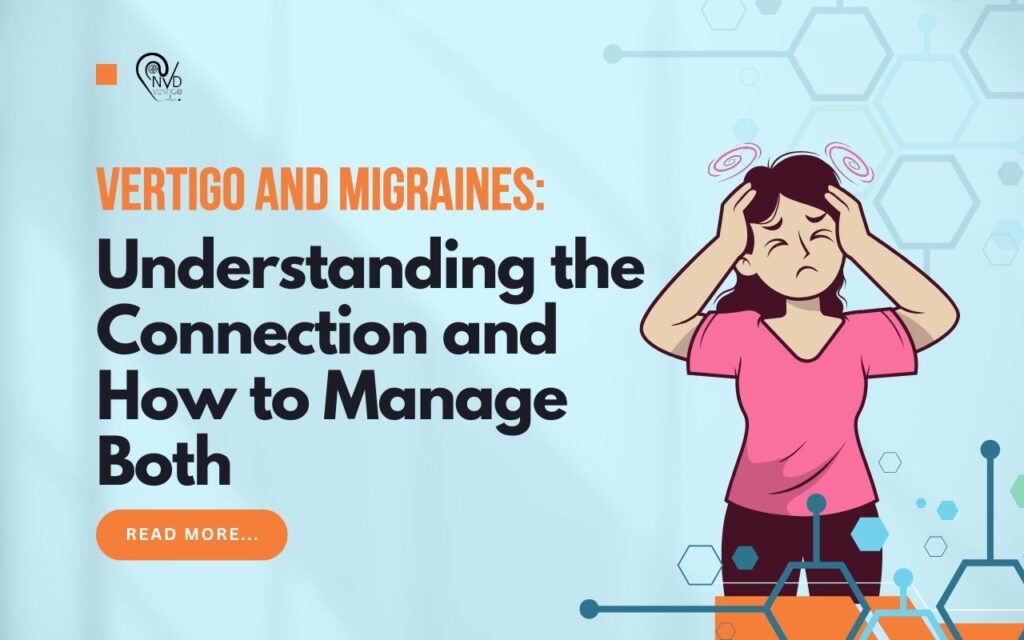
Vertigo and Migraines: Understanding the Connection and How to Manage Both

Vertigo and Migraines: Understanding the Connection and How to Manage Both

Introduction Vertigo and migraines are two conditions that can severely impact an individual’s quality of life. While they may seem unrelated at first glance, a significant connection exists between them. Understanding this link is crucial for effective management and treatment. This blog will explore the relationship between vertigo and migraines, delve into their causes and symptoms, and provide insights into managing both conditions. We’ll also highlight some of the best vertigo doctors in India, including top specialists in Kolkata, to help those seeking expert care. Understanding Vertigo and Migraines What is Vertigo? Vertigo is a type of dizziness characterized by the sensation that you or your surroundings are spinning. It is often caused by problems in the inner ear or the brain. Common conditions associated with vertigo include: What are Migraines? Migraines are severe, recurring headaches often accompanied by other symptoms such as nausea, vomiting, and sensitivity to light and sound. They can last from a few hours to several days. Migraines are classified into two main types: The Connection Between Vertigo and Migraines The connection between vertigo and migraines is well-documented, particularly in the form of vestibular migraines. Vestibular migraines are a type of migraine that involves vertigo and can occur with or without a headache. Key points include: Managing Vertigo and Migraines Effectively managing vertigo and migraines requires a comprehensive approach that addresses both conditions simultaneously. Lifestyle Changes Medical Treatment Therapeutic Interventions Seeking Expert Care: Best Vertigo Doctors in India For those struggling with vertigo and migraines, consulting with a specialist is crucial. In India, there are several renowned doctors and clinics that offer expert care. Best Vertigo Doctors in Kolkata Dr. Nilotpal Dutta – [Medica Superspecialty Hospital]: Dr. Nilotpal Dutta is known for his specialization in treating vertigo and balance disorders. He offers personalized treatment plans for his patients, utilizing the latest diagnostic and therapeutic techniques to provide comprehensive care. Understanding the connection between vertigo and migraines and seeking the right specialist can significantly improve the quality of life for those affected. Dr. Dutta’s expertise ensures that patients receive the best possible care tailored to their specific needs. Conclusion Understanding the connection between vertigo and migraines is essential for effective management and treatment. By adopting lifestyle changes, seeking appropriate medical treatments, and consulting with top specialists, individuals can significantly reduce the impact of these conditions on their lives. If you or a loved one is experiencing symptoms of vertigo or migraines, consider reaching out to one of the best vertigo doctors in India or Kolkata for expert guidance and care.

Vertigo and Mental Health: How Anxiety and Stress Exacerbate Symptoms

Vertigo and Mental Health: How Anxiety and Stress Exacerbate Symptoms

Introduction Vertigo, characterized by a sensation of spinning or dizziness, is not only a physical condition but also one that is deeply intertwined with mental health. Anxiety and stress can significantly exacerbate vertigo symptoms, creating a vicious cycle that can be challenging to break. Understanding this connection is crucial for effective management and treatment. In this blog, we will explore how anxiety and stress impact vertigo, delve into the mechanisms behind this relationship, and provide insights into managing these conditions. Additionally, we will highlight some of the best vertigo doctors in India, including top specialists in Kolkata, to help those seeking expert care. The Connection Between Vertigo, Anxiety, and Stress What is Vertigo? Vertigo is a type of dizziness where you feel as if you or your surroundings are spinning. It can result from various conditions affecting the inner ear or brain, such as: How Anxiety and Stress Exacerbate Vertigo Managing Vertigo Exacerbated by Anxiety and Stress Lifestyle Changes Therapeutic Interventions Medical Treatment Seeking Expert Care: Best Vertigo Doctors in India For those struggling with vertigo exacerbated by anxiety and stress, consulting with a specialist is crucial. In India, several renowned doctors and clinics offer expert care. Best Vertigo Doctors in India Dr. Nilotpal Dutta – [Medica Superspecialty Hospital]: Dr. Nilotpal Dutta is known for his specialization in treating vertigo and balance disorders. He offers personalized treatment plans for his patients, utilizing the latest diagnostic and therapeutic techniques to provide comprehensive care. Understanding the connection between vertigo, anxiety, and stress, and seeking the right specialist can significantly improve the quality of life for those affected. Dr. Dutta’s expertise ensures that patients receive the best possible care tailored to their specific needs. Conclusion The connection between vertigo, anxiety, and stress is complex, but understanding this relationship is key to effective management and treatment. By adopting lifestyle changes, seeking appropriate medical treatments, and consulting with top specialists, individuals can significantly reduce the impact of these conditions on their lives. If you or a loved one is experiencing vertigo exacerbated by anxiety and stress, consider reaching out to one of the best vertigo doctors in India or Kolkata for expert guidance and care.

The Role of Genetics in Vertigo: What You Need to Know

The Role of Genetics in Vertigo: What You Need to Know

Introduction Vertigo, characterized by a sensation of spinning or dizziness, can significantly impact an individual’s quality of life. While vertigo is often linked to issues in the inner ear or brain, emerging research suggests that genetics may also play a crucial role in its development. Understanding the genetic factors involved in vertigo can help in the diagnosis, treatment, and management of this condition. In this blog, we will explore the genetic underpinnings of vertigo, examine how these genetic factors influence the condition, and provide insights into managing vertigo with a genetic predisposition. Understanding Vertigo What is Vertigo? Vertigo is a type of dizziness where you feel as if you or your surroundings are spinning. It can be caused by various conditions affecting the inner ear or brain, such as: The Genetic Basis of Vertigo How Genetics Influence Vertigo Research and Genetic Studies Managing Vertigo with a Genetic Predisposition Diagnosis and Genetic Testing Lifestyle and Management Seeking Expert Care: Best Vertigo Doctors in India For those with a genetic predisposition to vertigo, consulting with a specialist is crucial. In India, several renowned doctors and clinics offer expert care. Best Vertigo Doctors in Kolkata Dr. Nilotpal Dutta – [Medica Superspecialty Hospital]: Dr. Nilotpal Dutta is known for his specialization in treating vertigo and balance disorders. He offers personalized treatment plans for his patients, utilizing the latest diagnostic and therapeutic techniques to provide comprehensive care. Understanding the role of genetics in vertigo and seeking the right specialist can significantly improve the quality of life for those affected. Dr. Dutta’s expertise ensures that patients receive the best possible care tailored to their specific needs. Conclusion The role of genetics in vertigo is an emerging area of research that holds promise for improving our understanding and management of this complex condition. By recognizing the genetic factors involved, individuals can take proactive steps to manage their vertigo effectively. If you or a loved one has a genetic predisposition to vertigo, consider reaching out to one of the best vertigo doctors in India or Kolkata for expert guidance and care.

Scroll to Top