
Diet & Nutrition

Nutrition & Hydration Hacks to Reduce Vertigo Episodes
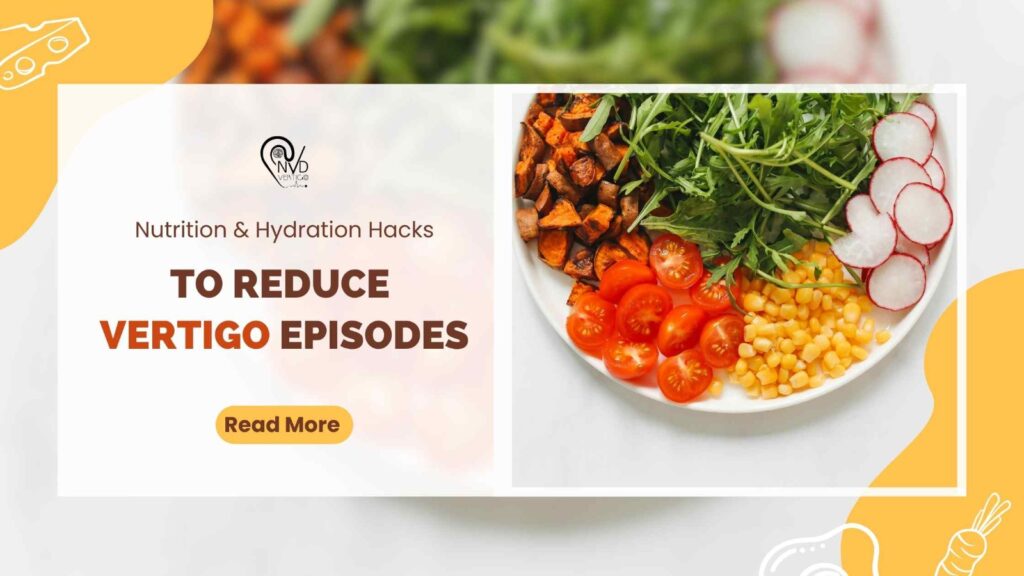
Nutrition & Hydration Hacks to Reduce Vertigo Episodes

What you eat and drink can directly influence the frequency and intensity of vertigo episodes. A balanced diet and adequate hydration play a crucial role in maintaining your inner ear function and overall vestibular health. Dr. Nilotpal Dutta, widely recognized as the best vertigo doctor in Kolkata, often advises his patients on diet and lifestyle changes as part of a comprehensive treatment plan. Let’s explore how nutrition and hydration can be powerful tools in vertigo management. Why Diet Matters in Vertigo Certain foods and dietary habits can aggravate vertigo. These include high-sodium meals, excessive caffeine, alcohol, and sugary snacks. These elements can alter the fluid balance in the inner ear or affect blood flow, triggering dizziness. Nutritional Tips to Keep Vertigo at Bay: Hydration Hacks: Avoid These Triggers: Combining good nutrition with medical treatment amplifies the healing process. Patients under the care of Dr. Nilotpal Dutta, considered the best vertigo doctor in India, often report faster recovery when dietary guidance is followed consistently. Vertigo may be unpredictable, but your diet doesn’t have to be. With mindful eating and hydration, you can take charge of your vestibular wellness and regain balance – both literally and figuratively.

The Role of Diet and Nutrition in Managing Vertigo

The Role of Diet and Nutrition in Managing Vertigo

Vertigo, a sensation of spinning dizziness, can significantly impact an individual’s quality of life. While medical treatments and therapies are often essential, diet and nutrition play a crucial role in managing and alleviating vertigo symptoms. As the best vertigo doctor in India, Dr. Nilotpal Dutta emphasizes the importance of a balanced diet and proper nutrition for patients dealing with vertigo. Understanding Vertigo Vertigo is often caused by issues in the inner ear or the vestibular nerve, which connects the inner ear to the brain. Conditions like Benign Paroxysmal Positional Vertigo (BPPV), Meniere’s disease, and vestibular neuritis are common culprits. Symptoms include dizziness, a spinning sensation, balance problems, nausea, and headaches. The Impact of Diet on Vertigo Diet and nutrition can influence vertigo in several ways. Certain foods and beverages can exacerbate symptoms, while others can help manage and reduce them. Understanding these dietary triggers and making appropriate changes can significantly improve the quality of life for vertigo patients. Foods to Avoid Beneficial Foods and Nutrients Dietary Habits and Lifestyle Changes Conclusion While diet and nutrition alone cannot cure vertigo, they play a significant role in managing symptoms and improving overall well-being. As the best vertigo doctor in India, Dr. Nilotpal Dutta advises patients to adopt a balanced diet, stay hydrated, and avoid known dietary triggers. These dietary changes, combined with medical treatment and lifestyle modifications, can help individuals manage vertigo more effectively and lead a healthier, more comfortable life. For personalized advice and treatment plans, consulting with Dr. Nilotpal Dutta can provide valuable insights and guidance tailored to your specific condition.

Scroll to Top