Vertigo Specialist in Kolkata

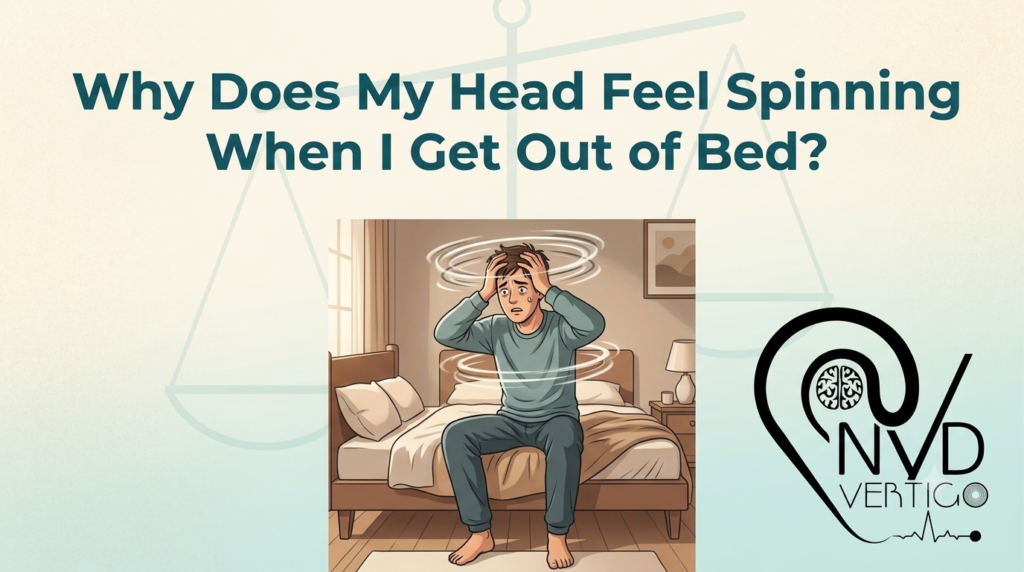
Why Does My Head Feel Spinning When I Get Out of Bed?
Why Does My Head Feel Spinning When I Get Out of Bed?

Do you experience a spinning sensation when getting out of bed in the morning? Perhaps the room seems to move when you sit up, turn to one side, or stand after lying down for several hours. This experience can be frightening, especially when it happens repeatedly. Morning dizziness can have several causes. Understanding when the spinning begins, how long it lasts, and whether other symptoms occur can help identify the underlying problem. Common Causes of Morning Vertigo 1. Benign Paroxysmal Positional Vertigo (BPPV) BPPV is a common cause of brief spinning episodes triggered by changes in head position. It occurs when tiny calcium crystals move into an inappropriate part of the inner ear’s balance system. Symptoms may begin when you roll over in bed, sit up, lie back, or turn your head towards one side. The spinning usually lasts less than a minute, although nausea or unsteadiness may continue afterwards. BPPV can often be treated using specific canalith repositioning manoeuvres after the affected ear and involved canal have been identified. 2. Low Blood Pressure on Standing If dizziness starts mainly when you move from lying down or sitting to standing, postural hypotension may be responsible. This happens when blood pressure drops after you stand up. You may feel lightheaded, weak, or as though you might faint. Unlike typical positional vertigo, the sensation is not always a clear feeling that the room is spinning. Dehydration, certain medications, and some medical conditions can contribute to this problem. 3. Dehydration Not drinking enough fluids, excessive sweating, vomiting, or diarrhoea can lead to dehydration. This may cause lightheadedness, weakness, and difficulty tolerating sudden changes in posture. Drinking adequate fluids may help when dehydration is responsible, but persistent dizziness requires medical assessment. 4. Vestibular Migraine and Other Inner Ear Conditions Vestibular migraine can cause episodes of spinning, imbalance, or sensitivity to movement, sometimes without a headache. Other inner ear disorders may also cause dizziness, particularly when accompanied by hearing changes, nausea, or persistent imbalance. The duration and pattern of symptoms help distinguish between these conditions. What Should You Do When You Feel Dizzy in the Morning? If you experience spinning or lightheadedness after waking up, sit or lie down somewhere safe until the sensation settles. Avoid walking without support, driving, or climbing stairs while dizzy. When getting out of bed, move gradually from lying down to sitting, pause briefly, and then stand with support if you feel steady enough. This may reduce symptoms associated with postural changes, but it will not treat every cause of vertigo. Avoid attempting head repositioning exercises without guidance if the diagnosis is uncertain, particularly if you have neck problems or other medical concerns. When Should You Seek Medical Help? Repeated morning dizziness deserves assessment, especially if it affects your ability to walk or perform daily activities. Seek emergency medical attention if dizziness occurs with new weakness, facial drooping, difficulty speaking, double vision, severe headache, chest pain, or fainting. A doctor may perform positional tests, check blood pressure while lying and standing, review medications, and assess your balance system. Consult a Vertigo Specialist in Kolkata The correct treatment depends on why you experience dizziness when getting out of bed. BPPV, postural hypotension, and vestibular migraine require different approaches. If you are looking for the best vertigo doctor Kolkata or a top vertigo doctor Kolkata, consider consulting a specialist with experience in diagnosing vertigo and balance disorders.

Why Do I Feel Dizzy When I Turn My Head? Common Causes Explained

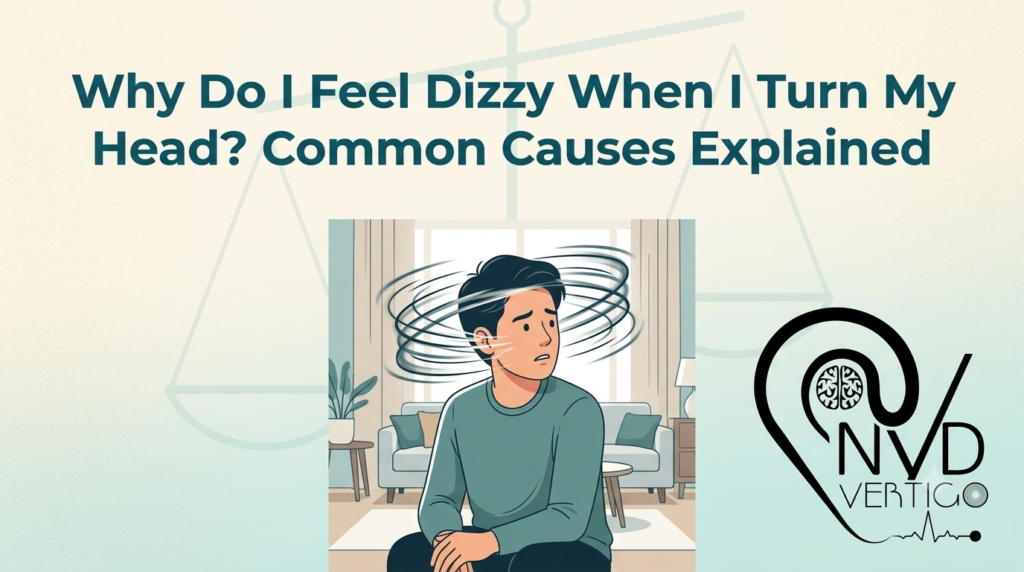
Why Do I Feel Dizzy When I Turn My Head? Common Causes Explained

Have you ever felt dizzy when turning your head to look sideways, looking up, or bending down? This sensation can be uncomfortable and may make you feel as though the room is spinning or that you are losing your balance. Head movement-related dizziness is a common symptom, and it can occur for several reasons. Understanding the possible causes can help you determine when to seek medical attention. What Causes Dizziness When Turning Your Head? 1. Benign Paroxysmal Positional Vertigo (BPPV) One of the most common causes of head movement-related dizziness is Benign Paroxysmal Positional Vertigo, commonly known as BPPV. It occurs when tiny calcium crystals inside the inner ear move into the wrong part of the balance system. People with BPPV may experience brief episodes of spinning when turning their head, rolling over in bed, looking upwards, or bending forward. The sensation typically lasts a few seconds to a minute. BPPV can often be treated with specific head and body movements performed by a trained healthcare professional. 2. Vestibular Migraine Vestibular migraine can cause dizziness, a spinning sensation, or difficulty maintaining balance. Unlike a typical migraine, it may occur without a headache. Some people notice that head movements, busy visual environments, or travelling in a vehicle make their symptoms worse. Episodes may last from minutes to hours, and sometimes longer. 3. Inner Ear Disorders The inner ear plays an important role in maintaining balance. Conditions affecting the vestibular system can cause dizziness, nausea, and unsteadiness. Depending on the underlying condition, you may also experience hearing changes, ringing in the ears, or a feeling of fullness in one ear. 4. Neck-Related Problems Some people experience dizziness alongside neck pain, stiffness, or reduced neck movement. Cervical spine problems may contribute to these symptoms, although neck-related dizziness can be difficult to diagnose because other vestibular and neurological conditions may cause similar complaints. 5. Other Possible Causes Dehydration, certain medications, low blood pressure, and neurological conditions can also contribute to dizziness. The pattern of symptoms and accompanying signs help a doctor determine the likely cause. When Should You Consult a Doctor? Occasional dizziness may not always indicate a serious problem, but recurring episodes should not be ignored. Consult a healthcare professional if dizziness interferes with walking, driving, working, or daily activities. Seek emergency medical care if dizziness begins suddenly with difficulty speaking, double vision, weakness or numbness, a severe unusual headache, or an inability to walk normally. How Is Head Movement-Related Dizziness Diagnosed? A doctor may review your medical history, examine your eye movements, assess balance, and perform positional tests when appropriate. Further investigations may be recommended depending on your symptoms. Treatment depends on the cause and may include repositioning manoeuvres, vestibular rehabilitation, medication for selected conditions, or migraine management. Finding the Right Vertigo Specialist in Kolkata If you frequently experience dizziness when turning your head, an accurate diagnosis is the first step towards effective treatment. Consulting an experienced specialist can help identify whether your symptoms originate from the inner ear, migraine, blood pressure changes, or another condition. If you are searching online for the best vertigo doctor Kolkata or a top vertigo doctor Kolkata, look for a specialist experienced in evaluating dizziness and balance disorders.

Best Vertigo Doctor in Kolkata: What Tests May Be Recommended for Vertigo?

best vertigo doctor in Kolkata

Vertigo can have several possible causes, which is why a detailed evaluation may sometimes involve more than a basic consultation. If you are searching for the best vertigo doctor in Kolkata, you may also want to understand what types of tests can be recommended during a vertigo assessment. The tests recommended can vary depending on your symptoms, medical history, and findings during the clinical examination. There is no single test that is suitable for every person experiencing vertigo. Balance and movement assessment A doctor may perform specific clinical examinations to assess balance, eye movements, posture, and responses to certain head or body movements. These observations can provide useful information about the balance system. Hearing evaluation Because the inner ear plays an important role in both hearing and balance, a hearing assessment may sometimes be recommended. This can help identify changes that may be relevant to the overall evaluation. Vestibular testing Depending on the symptoms, specialised vestibular tests may be recommended to assess how the balance organs and related pathways are functioning. The specific test depends on the clinical situation. Imaging In selected cases, imaging investigations may be advised when the doctor feels they are appropriate. These may help rule out certain conditions or investigate symptoms that require further evaluation. Blood tests or other investigations Sometimes, additional investigations may be considered depending on the person’s overall health and symptoms. It is important to remember that not everyone with vertigo needs every available test. The best vertigo doctor in Kolkata will generally determine which investigations are appropriate based on the individual’s symptoms and clinical findings. If you experience recurring vertigo, keeping a record of when episodes occur, how long they last, and what seems to trigger them can be useful during your consultation. A detailed history combined with appropriate examination and testing can help create a clearer picture of the problem.

What to Expect During Your First Visit to the Best Vertigo Doctor in Kolkata

best vertigo doctor in Kolkata

If you are visiting a vertigo specialist for the first time, knowing what to expect can make the consultation more comfortable. If you have been searching for the best vertigo doctor in Kolkata, your first appointment will generally begin with a detailed discussion about your symptoms and medical history. The doctor may first ask you to describe what you experience. Try to explain whether you feel that the surroundings are spinning, you feel light-headed, or you have difficulty maintaining your balance. You may also be asked questions such as when the symptoms started, how frequently they occur, how long each episode lasts, and whether particular movements or situations trigger them. Your medical history can also be important. Tell the doctor about previous ear problems, medications, previous investigations, or earlier episodes of dizziness or vertigo. After discussing your symptoms, the doctor may perform a clinical examination. Depending on your symptoms and findings, additional tests may sometimes be recommended. These tests can help evaluate the balance system and provide more information about the possible cause of your symptoms. It can be helpful to bring previous medical reports, scan reports, prescriptions, and a list of current medications to your appointment. You may also want to note down when your symptoms occur before visiting the doctor. During the consultation, do not hesitate to ask questions. You can ask about the possible cause of your symptoms, whether further evaluation is required, and what the next steps may be. The best vertigo doctor in Kolkata for you should be someone who takes the time to understand your symptoms and provides a clear evaluation and treatment plan based on your individual situation. Being prepared for your first appointment can help you communicate your symptoms more clearly and make the consultation more productive.

How to Choose the Best Vertigo Doctor in Kolkata: 7 Things to Consider

best vertigo doctor in Kolkata

Vertigo can affect your balance, movement, concentration, and everyday activities. Since dizziness and vertigo can have different causes, choosing the right specialist is an important step toward proper evaluation and care. If you are looking for the best vertigo doctor in Kolkata, here are seven things you can consider before making an appointment. 1. Look at the doctor’s experience Check the doctor’s professional background and experience in managing vertigo, dizziness, and balance-related concerns. A specialist who regularly evaluates vertigo may be familiar with different types and presentations. 2. Consider the areas of expertise Vertigo can be associated with the inner ear and balance system, among other causes. Look for a doctor whose area of practice includes vertigo and related balance disorders. 3. Understand the diagnostic approach A good evaluation begins with understanding your symptoms and medical history. Depending on your symptoms, the doctor may recommend specific examinations or tests to identify possible causes. 4. Check the consultation process Before booking, understand where the doctor consults, appointment timings, and whether follow-up consultations are available. This can make ongoing care more convenient. 5. Read patient experiences Patient reviews can provide an idea about the consultation experience, communication, and overall approach. However, reviews should be considered alongside the doctor’s qualifications and expertise. 6. Look for personalised evaluation Vertigo does not affect everyone in exactly the same way. A detailed consultation can help the doctor understand your specific symptoms instead of relying on a one-size-fits-all approach. 7. Choose a convenient location Accessibility can be important, particularly when follow-up visits are required. Consider consultation locations that are convenient for you. Finding the best vertigo doctor in Kolkata is ultimately about choosing a qualified specialist who can carefully evaluate your symptoms and guide you through the next steps. Taking time to research your options can help you make a more informed decision.

Vertigo in Children: Causes, Symptoms, and Care

Vertigo in Children: Causes, Symptoms, and Care

Vertigo, a condition characterized by a spinning sensation or dizziness, is typically associated with adults. However, it’s essential to recognize that children can also experience vertigo or balance problems . Understanding the causes, symptoms, and appropriate care for vertigo in children is crucial for parents and caregivers. In this article, we will explore this topic and provide insights into the best approaches to ensure a child’s well-being when faced with vertigo. Understanding Vertigo in Children Vertigo in children is not as common as in adults, but it can occur for various reasons. In essence, vertigo is the sensation that one’s surroundings are spinning or moving when they are not. For children, this sensation can be quite disorienting and scary. Causes of Vertigo in Children Symptoms of Vertigo in Children Recognizing vertigo in children can be challenging, as they may have difficulty describing their symptoms. Common signs to look for include: Seeking Help from the Best Vertigo Doctor When a child experiences vertigo, it is essential to consult a medical professional, preferably a pediatrician or an ear, nose, and throat (ENT) specialist. These experts can help diagnose the underlying cause of vertigo and provide guidance on the most appropriate treatment. Diagnosis To determine the cause of vertigo in a child, the doctor may perform various tests, including: Treatment The treatment for vertigo in children depends on the underlying cause. In many cases, the condition may resolve on its own. However, when necessary, treatment options may include: Coping with Vertigo: Tips for Parents and Caregivers Parents and caregivers play a crucial role in helping children cope with vertigo. Here are some practical tips to support a child experiencing vertigo: Conclusion Vertigo in children may be relatively rare, but it can be distressing for both the child and their caregivers. Understanding the potential causes, recognizing symptoms, and seeking help from the best vertigo doctor are essential steps to ensure the child’s well-being. With the right diagnosis and treatment, many children can overcome vertigo and lead healthy, balanced lives. Parents and caregivers play a crucial role in providing the necessary support and care during this challenging time.

Vertigo and Aging: Understanding the Connection

Vertigo and Aging: Understanding the Connection

Introduction As we age, our bodies undergo numerous changes, and one condition that becomes increasingly common is vertigo. Vertigo, a sensation of spinning or dizziness, can have a significant impact on the quality of life for older adults. To better understand this connection and how to manage vertigo effectively, it’s essential to seek the expertise of the best vertigo doctor. In this article, we’ll explore the relationship between vertigo and aging, the causes, symptoms, and how a skilled vertigo specialist can help older adults regain their balance and confidence. The Aging Process and Its Effects on Balance Aging is a natural process, but it can bring about various physiological changes that affect balance and increase the risk of vertigo. Some of the key factors contributing to the connection between aging and vertigo include: Common Causes of Vertigo in Older Adults Vertigo can be caused by various underlying factors, and older adults may be more susceptible to certain causes due to age-related changes in the body. Some common causes of vertigo in this age group include: Recognizing the Symptoms of Vertigo Vertigo presents a range of symptoms that can significantly impact an older person’s daily life. Some of the common symptoms of vertigo include: How the Best Vertigo Doctor Can Help When dealing with vertigo in aging individuals, seeking the expertise of a specialized vertigo doctor is crucial. The best vertigo doctors are well-equipped to provide a comprehensive evaluation, diagnosis, and tailored treatment plan for older adults. Here’s how they can assist: Conclusion As we age, the connection between vertigo and the aging process becomes more apparent. It is essential to recognize the impact of vertigo on older adults and the importance of seeking help from the best vertigo doctor. With expert care, accurate diagnosis, and targeted treatment, older individuals can regain their balance and confidence, ultimately leading to a better quality of life. Don’t let vertigo hold you back in your golden years – take the first step towards managing vertigo and enjoying your life to the fullest.

Vertigo and Balance Disorders in Children

Vertigo and balance disorders are not uncommon in children and can significantly impact their daily lives. Parents and caregivers need to be aware of these conditions and understand their causes, symptoms, and potential treatment options. In this blog, Best Vertigo Specialist Doctor talks about the basics of vertigo and balance disorders in children, providing valuable insights for better understanding and management. What is Vertigo? Vertigo is a specific type of dizziness characterized by a spinning or whirling sensation. It occurs when there is a mismatch in the signals sent to the brain from the vestibular system, which controls balance. According to Top Vertigo Doctor, in children, vertigo can be caused by various factors, including inner ear infections, head injuries, migraines, or developmental abnormalities in the vestibular system. Common Balance Disorders in Children: Benign Paroxysmal Vertigo of Childhood (BPVC): BPVC is the most prevalent balance disorder in children. It typically manifests as sudden episodes of vertigo that last for a short duration. These episodes may be triggered by head movements or changes in body position. Vestibular Migraine: Migraines can affect children and may include vestibular symptoms such as vertigo. These episodes are often accompanied by headaches, light sensitivity, and nausea. Perilymphatic Fistula: This condition occurs when a small tear or rupture in the thin membranes of the inner ear leads to fluid leakage. It can cause vertigo and may be associated with activities that increase inner ear pressure, such as straining, coughing, or lifting heavy objects. Diagnosis and Treatment: To diagnose vertigo and balance disorders in children, healthcare professionals may consider the child’s medical history, conduct a physical examination, and potentially recommend additional tests, such as vestibular function tests or imaging studies. Treatment options for children with vertigo and balance disorders may include: Medications: Depending on the underlying cause, specific medications may be prescribed to manage symptoms or prevent recurrent episodes of vertigo. Vestibular Rehabilitation Therapy (VRT): VRT is a specialized form of therapy that aims to strengthen the vestibular system and improve balance. It typically involves exercises and techniques tailored to the child’s needs and capabilities. Lifestyle Modifications: Simple lifestyle adjustments, such as maintaining a regular sleep pattern, reducing stress levels, and avoiding triggers like excessive screen time or certain foods, can help manage symptoms. Conclusion: Vertigo and balance disorders can affect children, impacting their daily activities, academic performance, and overall quality of life. By understanding these conditions, recognizing their symptoms, and seeking timely medical attention, parents and caregivers can play a crucial role in managing and improving the well-being of children with vertigo and balance disorders. Remember, a comprehensive evaluation by the Best Vertigo Specialist in Kolkata is vital for accurate diagnosis and tailored treatment plans to ensure the best possible outcomes for children experiencing these conditions.

Understanding Vestibular Migraine

Do you often experience dizziness and vertigo alongside your migraines? If so, you may be dealing with a condition called Migraine-Associated Dizziness, specifically Vestibular Migraine. In this blog post, Best Neuro-otologist in Kolkata talks about Vestibular migraines and provides insights into their symptoms, causes, and potential treatment options. Understanding Vestibular Migraine: Vestibular Migraine is a unique form of migraine disorder characterized by recurrent episodes of dizziness and vertigo. It is closely linked to the vestibular system, which contributes to our sense of balance and spatial orientation. During Vestibular Migraine episodes, the vestibular system becomes hypersensitive or dysregulated, leading to a variety of symptoms says Vertigo Specialist. Recognizing the Symptoms: The primary symptoms of Vestibular migraines include dizziness, vertigo (a spinning or whirling sensation), and a feeling of unsteadiness or imbalance. These symptoms often occur alongside or shortly before a migraine headache. Other common symptoms may include lightheadedness, difficulty concentrating, and even nausea or vomiting. It is important to note that not all individuals with Vestibular migraines experience migraines with aura or intense headache pain. Diagnosing Vestibular Migraine: Diagnosing Vestibular migraines can be challenging due to the overlapping symptoms with other conditions. If you suspect you have Vestibular Migraine, it is crucial to consult a healthcare professional, preferably a specialist in vertigo disorders. They will conduct a thorough evaluation, which may include a detailed medical history, physical examination, and potentially additional tests such as vestibular function testing or imaging studies. Managing Vestibular Migraine: According to Top Vertigo Specialist While there is no cure for Vestibular migraines, there are various strategies to manage and reduce the frequency and severity of episodes. Treatment typically involves a combination of lifestyle modifications, medication management, and vestibular rehabilitation exercises. Lifestyle modifications may include identifying and avoiding triggers such as certain foods, stress, or lack of sleep. Medications prescribed for Vestibular migraines can include preventive medications, pain relievers, or anti-nausea medications. Vestibular rehabilitation exercises, under the guidance of a trained professional, can help improve balance and reduce dizziness symptoms. Seeking Professional Guidance: When dealing with Migraine-Associated Dizziness or Vestibular migraines, it is essential to seek guidance from a healthcare professional experienced in managing vertigo disorders. They will be able to provide an accurate diagnosis, develop a personalized treatment plan, and offer support throughout your journey. In conclusion, if you experience dizziness, vertigo, and other associated symptoms alongside your migraines consult the Best Vertigo Specialist in Kolkata, it may be indicative of Vestibular migraines. Understanding the condition and seeking appropriate care can significantly improve your quality of life.

Is Vertigo more serious than anything?

Before answering this question, let’s first understand what Vertigo really is. If you feel dizzy or feel off balance, you may have dizziness. To put it bluntly, if you are having vertigo, you feel as if the world around you is spinning while you are sitting or standing. To know more about vertigo, read this blog here: VERTIGO: WHAT IS IT, CAUSES, SIGNS & TREATMENT Now let’s dive into the fact, is Vertigo serious? People who suffer from Vertigo are usually not suffering from anything life-threatening. Neither it affects the well-being of the person, but they want to be aware of some symptoms that can affect a person’s vertigo. They mostly experience feeling ‘wobbly’ or ‘numb’. They may also have a ‘centrifugal’ feeling (a sensation or feeling of movement outward). Having severe dizziness, people may even lose their balance and fall down. If the vertigo is severe enough; prolonged standing might aggravate it and cause vomiting and headaches too. However, these may appear only in severe cases. For most people, these symptoms disappear after a few days to weeks without any particular treatment. The problems caused by vertigo are not serious, but it can cause some unpleasant side effects on the health. However, vertigo can be linked to other potentially serious health conditions. These conditions may in turn cause dizziness, nausea, and vomiting for some people. Therefore, if the condition is not resolved to where the person does not experience any vertigo or symptoms of dizziness, it is necessary that you consult the best vertigo specialist in Kolkata. If a person complains of dizziness and falls, medical aid must be sought immediately. Vertigo can be caused by any illness or bodily malfunction that affects the functioning of sensory organs (eyes, ears), the nervous system, or the brain. For example, migraine, following brain tumor surgery, etc. When should I worry? If you are prone to dizziness and feeling ill, you should consult a Vertigo specialist. Be aware of these things: 1.) Headaches Pressure headaches are very common in vertigo patients. What we generally do is, when our head suddenly starts throbbing with pain we think it’s a headache and take painkillers if needed and continue with our day. However, if you are having vertigo spells repeatedly with severe headaches or vertigo headaches, it’s time that you see a specialist. This head throbbing pain could be your brain warning of some sinister causes (like an acute brain stroke, a brain tumor or a bleed in the brain )to take the pulse at the temples to check the level of dizziness. 2. Balance problems People suffering from vertigo often have an imbalance in their body, thus they have to be sensitive to their surrounding while walking. If they feel dizzy while standing still, it’s time to seek medical attention. This problem can be caused due to functional problems in the brain. Overactive or underactive portions of the brain are a common cause of dizziness. You might want to consult an expert for this kind of problem as well. 3. Loss of consciousness or euphoria If you are suffering from Vertigo or keep on falling or experiencing blackouts for long periods, that may be a reason that you are losing consciousness which could again be a sign of either a life-threatening cardiological cause(like acute myocardial infarction, heart block etc) or due to hypoxia/diminished blood circulation in the brain. But you should seek immediate medical care if you experience new, severe dizziness or vertigo along with any of the following: Contact us now to know more about your health condition! Some self-care tips: Avoid things that cause vertigo such as high altitudes, car and amusement park rides, and swinging. Ease sudden movement by stretching. Avoid being in the dark if you suffering from UNTSTEADINESS,it may sometimes be a sequel of Bilateral vestibulopathy. Drink plenty of fluids. Support the head with pillows while sleeping on your side. People find it helpful to elevate their heads on a pillow or soft couch cushion. This may sometimes be beneficial for the treatment of positional vertigo. Watch movies at a normal speed to help reduce anxiety – is a big no-no! Make sure they are not in 3D or while you are wearing glasses. Be aware of some horror films that can trigger fear feelings (thrilling, fast-paced scenes, etc). This will result in the individual becoming anxious and having to run away. Help reduce symptoms by performing gentle head movements. The longer you hold this position the more it will reduce your vertigo symptoms. A good way to do this is to move your head gently from one side to the other. When you feel a little dizzy, stop and relax for two or three seconds before trying again. If you feel nauseated or dizzy after doing so, stop immediately and then repeat this exercise a couple of times before resuming. Anxiety attacks are an overreaction of your vestibular system caused by anxiety and stress, as a part of the balance of the body is maintained by the Psychic and cognitive system of the brain, hence if there is any psychological overlay in someone then it may present with a feeling of Unsteadiness. Final Words: Vertigo is a sense of dizziness or unsteadiness when the person’s balance is challenged. It can also be caused by certain medications, head injuries, or ear infections. Vertigo isn’t dangerous in and of itself, but it can be very frightening and debilitating and can be linked to other potentially serious health conditions. So, if you are experiencing severe & repetitive vertigo, it is time to contact the best vertigo doctor in Kolkata and seek medical help. They can be your lifeline!

Scroll to Top