Best Vertigo Specialist in Kolkata

Vertigo in Children: Causes, Symptoms, and Care

Vertigo in Children: Causes, Symptoms, and Care

Vertigo, a condition characterized by a spinning sensation or dizziness, is typically associated with adults. However, it’s essential to recognize that children can also experience vertigo or balance problems . Understanding the causes, symptoms, and appropriate care for vertigo in children is crucial for parents and caregivers. In this article, we will explore this topic and provide insights into the best approaches to ensure a child’s well-being when faced with vertigo. Understanding Vertigo in Children Vertigo in children is not as common as in adults, but it can occur for various reasons. In essence, vertigo is the sensation that one’s surroundings are spinning or moving when they are not. For children, this sensation can be quite disorienting and scary. Causes of Vertigo in Children Symptoms of Vertigo in Children Recognizing vertigo in children can be challenging, as they may have difficulty describing their symptoms. Common signs to look for include: Seeking Help from the Best Vertigo Doctor When a child experiences vertigo, it is essential to consult a medical professional, preferably a pediatrician or an ear, nose, and throat (ENT) specialist. These experts can help diagnose the underlying cause of vertigo and provide guidance on the most appropriate treatment. Diagnosis To determine the cause of vertigo in a child, the doctor may perform various tests, including: Treatment The treatment for vertigo in children depends on the underlying cause. In many cases, the condition may resolve on its own. However, when necessary, treatment options may include: Coping with Vertigo: Tips for Parents and Caregivers Parents and caregivers play a crucial role in helping children cope with vertigo. Here are some practical tips to support a child experiencing vertigo: Conclusion Vertigo in children may be relatively rare, but it can be distressing for both the child and their caregivers. Understanding the potential causes, recognizing symptoms, and seeking help from the best vertigo doctor are essential steps to ensure the child’s well-being. With the right diagnosis and treatment, many children can overcome vertigo and lead healthy, balanced lives. Parents and caregivers play a crucial role in providing the necessary support and care during this challenging time.

How Vertigo Exercises Help Cure Vestibular Disorders?

Vestibular disorders, including vertigo, can significantly impact an individual’s balance and quality of life. Fortunately, there are effective methods for managing and even curing these disorders. One such approach is through vertigo exercises, also known as vestibular rehabilitation therapy (VRT). In this blog, Best Vertigo Specialist in Kolkata talks about how vertigo exercises can help individuals with vestibular disorders find relief and regain their balance. Understanding Vestibular Disorders: Vestibular disorders arise from issues with the vestibular system, which includes the inner ear and its connections to the brain. These disorders can result in symptoms like dizziness, vertigo, imbalance, and unsteadiness. Common causes include inner ear infections, head injuries, Meniere’s disease, or certain medications. How Vertigo Exercises Work: Vertigo exercises are designed to help the brain and vestibular system adapt and compensate for any imbalances or dysfunctions. These exercises aim to improve the brain’s ability to process and integrate signals from the inner ear, eyes, and muscles involved in balance and coordination. Key Benefits of Vertigo Exercises: Enhancing Vestibular Compensation: Vertigo exercises promote the brain’s ability to adapt and compensate for vestibular dysfunction. By challenging the system through specific movements and exercises, the brain gradually learns to rely on alternative sensory information to maintain balance. Improving Balance and Coordination: Vertigo exercises to target specific balance and coordination mechanisms, helping individuals regain stability and reduce the risk of falls. These exercises often involve head movements, eye exercises, and body positioning to stimulate and strengthen the vestibular system. Alleviating Symptoms: Regular practice of vertigo exercises can lead to a reduction in vertigo episodes, dizziness, and associated symptoms. The exercises help retrain the brain’s response to triggers, decreasing the intensity and frequency of episodes over time. Restoring Quality of Life: By improving balance and reducing symptoms, vertigo exercises enable individuals to regain their confidence and engage in daily activities without fear of falling or experiencing debilitating vertigo episodes. This restoration of function greatly enhances their overall quality of life. Seeking Professional Guidance: While vertigo exercises can be beneficial, it is crucial to consult with a healthcare professional or a vestibular specialist before starting any exercise program. They can assess the specific needs of an individual and design a personalized exercise plan that suits their condition and capabilities. Conclusion: Vertigo exercises, or vestibular rehabilitation therapy (VRT), offer an effective and non-invasive approach to managing and curing vestibular disorders. By targeting the underlying causes of balance dysfunction and stimulating the vestibular system, these exercises help individuals regain their balance, reduce symptoms, and improve their quality of life. If you or someone you know is struggling with a vestibular disorder, consider exploring the potential benefits of vertigo exercises under the guidance of the Top Vertigo Doctor in Kolkata. With dedication and consistency, these exercises can pave the way for a healthier, more stable future.

Understanding Vestibular Migraine

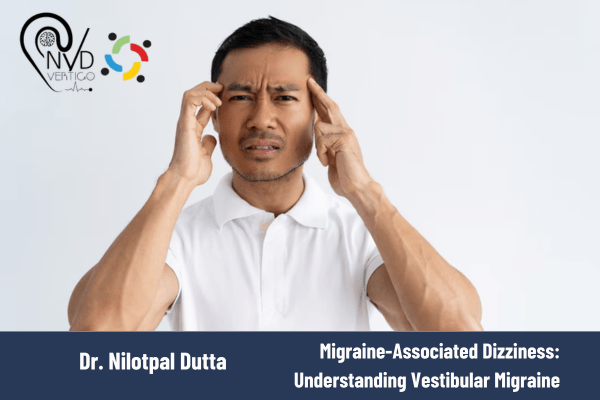
Do you often experience dizziness and vertigo alongside your migraines? If so, you may be dealing with a condition called Migraine-Associated Dizziness, specifically Vestibular Migraine. In this blog post, Best Neuro-otologist in Kolkata talks about Vestibular migraines and provides insights into their symptoms, causes, and potential treatment options. Understanding Vestibular Migraine: Vestibular Migraine is a unique form of migraine disorder characterized by recurrent episodes of dizziness and vertigo. It is closely linked to the vestibular system, which contributes to our sense of balance and spatial orientation. During Vestibular Migraine episodes, the vestibular system becomes hypersensitive or dysregulated, leading to a variety of symptoms says Vertigo Specialist. Recognizing the Symptoms: The primary symptoms of Vestibular migraines include dizziness, vertigo (a spinning or whirling sensation), and a feeling of unsteadiness or imbalance. These symptoms often occur alongside or shortly before a migraine headache. Other common symptoms may include lightheadedness, difficulty concentrating, and even nausea or vomiting. It is important to note that not all individuals with Vestibular migraines experience migraines with aura or intense headache pain. Diagnosing Vestibular Migraine: Diagnosing Vestibular migraines can be challenging due to the overlapping symptoms with other conditions. If you suspect you have Vestibular Migraine, it is crucial to consult a healthcare professional, preferably a specialist in vertigo disorders. They will conduct a thorough evaluation, which may include a detailed medical history, physical examination, and potentially additional tests such as vestibular function testing or imaging studies. Managing Vestibular Migraine: According to Top Vertigo Specialist While there is no cure for Vestibular migraines, there are various strategies to manage and reduce the frequency and severity of episodes. Treatment typically involves a combination of lifestyle modifications, medication management, and vestibular rehabilitation exercises. Lifestyle modifications may include identifying and avoiding triggers such as certain foods, stress, or lack of sleep. Medications prescribed for Vestibular migraines can include preventive medications, pain relievers, or anti-nausea medications. Vestibular rehabilitation exercises, under the guidance of a trained professional, can help improve balance and reduce dizziness symptoms. Seeking Professional Guidance: When dealing with Migraine-Associated Dizziness or Vestibular migraines, it is essential to seek guidance from a healthcare professional experienced in managing vertigo disorders. They will be able to provide an accurate diagnosis, develop a personalized treatment plan, and offer support throughout your journey. In conclusion, if you experience dizziness, vertigo, and other associated symptoms alongside your migraines consult the Best Vertigo Specialist in Kolkata, it may be indicative of Vestibular migraines. Understanding the condition and seeking appropriate care can significantly improve your quality of life.

Spinning Sensation While Moving Head? It Could Be BPPV

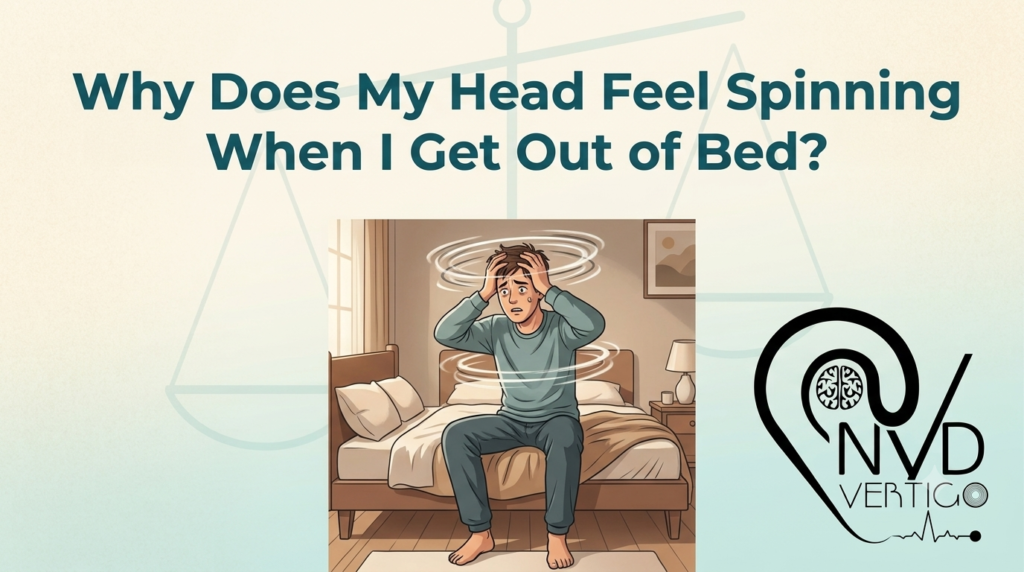
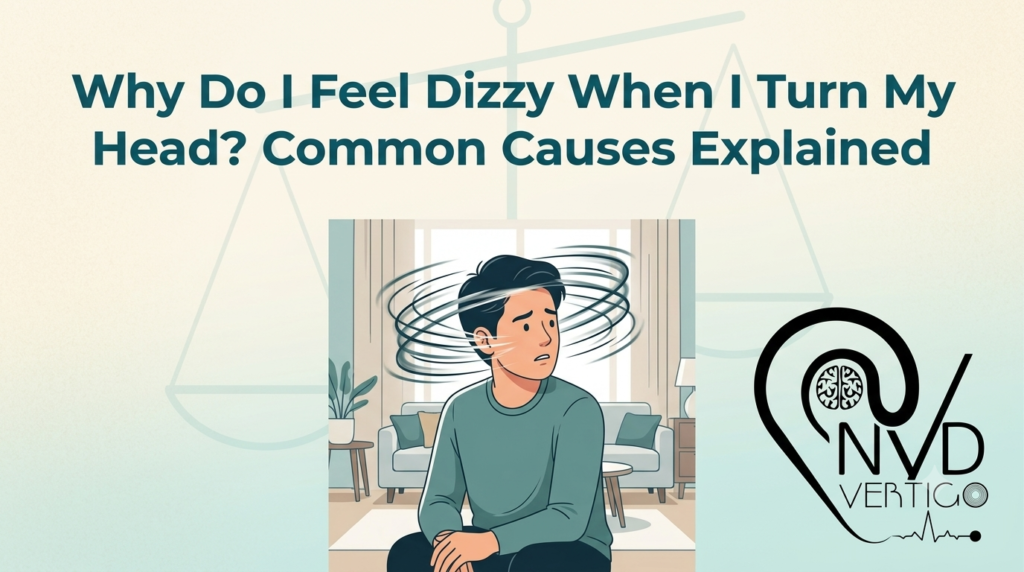
Do you ever experience a sudden spinning sensation when you move your head? If so, you may be dealing with a condition known as Benign Paroxysmal Positional Vertigo (BPPV). In this blog post, Best Vertigo Specialist in Kolkata will talk about BPPV, its causes, symptoms, and available treatment options. Understanding this condition can help you seek appropriate care and find relief from the spinning sensation. Let’s dive in! What is BPPV? Benign Paroxysmal Positional Vertigo, or BPPV, is a common inner ear disorder that causes brief episodes of vertigo. It occurs when tiny calcium crystals, called otoliths, become dislodged and float into the semicircular canals of the inner ear. These canals are responsible for detecting rotational movements of the head. When the otoliths disrupt the normal flow of fluid in the canals, it triggers a false sense of spinning or movement, leading to vertigo says Vertigo Doctor in Kolkata Recognizing the Symptoms: The primary symptom of BPPV is positional vertigo, which means the spinning sensation is triggered by certain head movements. Common triggers include looking up or down, rolling over in bed, or tilting the head to one side. The vertigo episodes are usually brief, lasting less than a minute. Other accompanying symptoms may include dizziness, unsteadiness, and a feeling of imbalance. These symptoms can significantly impact daily activities and quality of life. Diagnosing BPPV: According to Best Vertigo Specialist in Kolkata, If you suspect you have BPPV, it is crucial to consult a healthcare professional who specializes in vertigo disorders. They will conduct a thorough evaluation, which may include reviewing your medical history, performing a physical examination, and conducting specific diagnostic tests. One common test is the Dix-Hallpike maneuver, where the head is quickly moved into specific positions to provoke vertigo and observe eye movements. Treatment Options for BPPV: The good news is that BPPV is highly treatable, and several effective treatment options are available. One commonly used treatment is canalith repositioning, also known as the Epley maneuver. It involves a series of head movements that help guide the displaced otoliths out of the affected semicircular canal, providing relief from the vertigo symptoms. The Epley maneuver is often performed by a healthcare professional but can also be taught for at-home use. Additionally, certain lifestyle modifications can help manage BPPV symptoms. These may include avoiding abrupt head movements, sleeping with an extra pillow to keep the head elevated, and maintaining good posture. In some cases, your healthcare provider may recommend specific exercises or vestibular rehabilitation therapy to improve balance and reduce symptoms. Conclusion: If you frequently experience a spinning sensation when you move your head, BPPV could be the underlying cause. Understanding the symptoms and seeking appropriate care is essential for finding relief and improving your quality of life. Consult a Vertigo Specialist, for an accurate diagnosis and personalized treatment plan. Remember, you don’t have to let the spinning sensation hold you back—effective solutions are available to help you regain your balance and enjoy a life free from vertigo.

Scroll to Top