Vertigo

How to Support a Loved One with Vertigo

How to Support a Loved One with Vertigo

Living with vertigo can be a challenging and overwhelming experience. If you have a loved one suffering from vertigo, your support can make a significant difference in their life. Vertigo is more than just feeling dizzy; it’s a complex condition that can affect a person’s balance, mobility, and overall well-being. This blog will guide you on how to support a loved one with vertigo effectively, with insights from the best vertigo doctor in Kolkata, Dr. Nilotpal Dutta. Understanding Vertigo Before diving into the ways you can support your loved one, it’s essential to understand what vertigo is. Vertigo is a sensation of spinning or dizziness, often caused by problems in the inner ear or brain. Common symptoms include: Vertigo can be triggered by various factors, including changes in head position, ear infections, migraines, and other underlying health conditions. Tips to Support a Loved One with Vertigo Conclusion Supporting a loved one with vertigo requires patience, understanding, and proactive involvement. By educating yourself, creating a safe environment, and encouraging medical consultation with the best vertigo doctor in Kolkata, Dr. Nilotpal Dutta, you can help your loved one manage their condition more effectively. Remember, your support can make a significant difference in their journey towards better he

The Role of Diet and Nutrition in Managing Vertigo

The Role of Diet and Nutrition in Managing Vertigo

Vertigo, a sensation of spinning dizziness, can significantly impact an individual’s quality of life. While medical treatments and therapies are often essential, diet and nutrition play a crucial role in managing and alleviating vertigo symptoms. As the best vertigo doctor in India, Dr. Nilotpal Dutta emphasizes the importance of a balanced diet and proper nutrition for patients dealing with vertigo. Understanding Vertigo Vertigo is often caused by issues in the inner ear or the vestibular nerve, which connects the inner ear to the brain. Conditions like Benign Paroxysmal Positional Vertigo (BPPV), Meniere’s disease, and vestibular neuritis are common culprits. Symptoms include dizziness, a spinning sensation, balance problems, nausea, and headaches. The Impact of Diet on Vertigo Diet and nutrition can influence vertigo in several ways. Certain foods and beverages can exacerbate symptoms, while others can help manage and reduce them. Understanding these dietary triggers and making appropriate changes can significantly improve the quality of life for vertigo patients. Foods to Avoid Beneficial Foods and Nutrients Dietary Habits and Lifestyle Changes Conclusion While diet and nutrition alone cannot cure vertigo, they play a significant role in managing symptoms and improving overall well-being. As the best vertigo doctor in India, Dr. Nilotpal Dutta advises patients to adopt a balanced diet, stay hydrated, and avoid known dietary triggers. These dietary changes, combined with medical treatment and lifestyle modifications, can help individuals manage vertigo more effectively and lead a healthier, more comfortable life. For personalized advice and treatment plans, consulting with Dr. Nilotpal Dutta can provide valuable insights and guidance tailored to your specific condition.

The Connection Between Inner Ear Disorders and Vertigo

The Connection Between Inner Ear Disorders and Vertigo

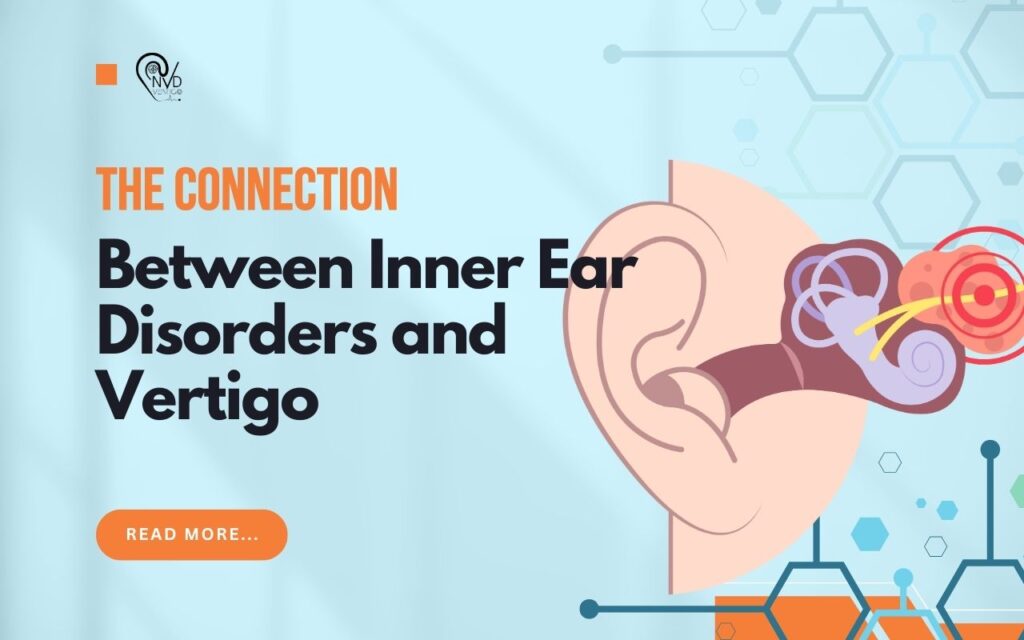
Vertigo, often characterized by a sensation of spinning or dizziness, can significantly impact an individual’s quality of life. Among the various causes of vertigo, inner ear disorders play a crucial role. As the best vertigo doctor in Kolkata, Dr. Nilotpal Dutta emphasizes the importance of understanding this connection to provide effective treatment and relief for patients. Understanding the Inner Ear The inner ear, also known as the labyrinth, is a complex structure responsible for hearing and balance. It consists of two main parts: the cochlea and the vestibular system. The cochlea is involved in hearing, the vestibular system is crucial for maintaining balance and spatial orientation. The vestibular system includes three semicircular canals and two otolithic organs (the utricle and saccule). These components work together to detect head movements and changes in position. When the vestibular system functions correctly, it sends signals to the brain about the body’s movements, helping to maintain balance and coordination. How Inner Ear Disorders Cause Vertigo Inner ear disorders can disrupt the normal functioning of the vestibular system, leading to vertigo. Some common inner ear conditions that cause vertigo include: Diagnosis and Treatment Dr. Nilotpal Dutta, recognized as the best vertigo doctor in Kolkata, employs a comprehensive approach to diagnose and treat inner ear disorders causing vertigo. The diagnostic process typically includes: Treatment options vary based on the specific inner ear disorder and may include: Conclusion Understanding the connection between inner ear disorders and vertigo is crucial for effective diagnosis and treatment. As the best vertigo doctor in Kolkata, Dr. Nilotpal Dutta provides expert care and personalized treatment plans to help patients regain their balance and improve their quality of life. If you or a loved one is experiencing vertigo, seeking professional help is essential for proper management and relief.

The Importance of Early Intervention in Vertigo: Why Seeing a Specialist Matters

Introduction: Vertigo, characterized by a sensation of spinning or dizziness, can significantly disrupt one’s life and well-being if left untreated. While it’s often misunderstood or dismissed as a minor ailment, its impact can be profound. Early intervention by a specialist is crucial in managing vertigo effectively and preventing its debilitating effects. In this blog, we delve into the significance of seeking out the best vertigo doctor in India for timely diagnosis and treatment. Understanding Vertigo: Vertigo is not a condition in itself but a symptom of an underlying issue. It can arise from various causes, including inner ear problems, vestibular nerve inflammation, Meniere’s disease, or even certain neurological disorders. The sensation of spinning or a loss of balance can be triggered by changes in head position, sudden movements, or even without any apparent cause. The Importance of Early Intervention: Accurate Diagnosis: Vertigo can be challenging to diagnose due to its diverse causes. However, a specialist with expertise in vertigo can conduct comprehensive evaluations, including medical history, physical examination, and diagnostic tests like vestibular function tests or imaging studies. Timely diagnosis is the first step towards effective management. Tailored Treatment Plans: Once the underlying cause of vertigo is identified, a specialist can develop a personalized treatment plan. This may include medications, vestibular rehabilitation exercises, dietary changes, or in some cases, surgical interventions. The effectiveness of treatment greatly depends on its suitability to the specific cause of vertigo, highlighting the importance of consulting a specialist. Prevention of Complications: Vertigo can lead to various complications if left unmanaged. Recurrent episodes of dizziness may increase the risk of falls, accidents, or psychological distress due to anxiety or depression. By addressing vertigo early on, complications can be minimized, and patients can maintain their quality of life. Improved Quality of Life: Vertigo can significantly impair daily activities, work performance, and social interactions. Seeking timely intervention from a specialist can alleviate symptoms, restore balance function, and improve overall well-being. Patients can regain confidence in their ability to perform routine tasks without the fear of dizziness. Choosing the Best Vertigo Doctor in India: Finding the right specialist is crucial for effective vertigo management. Here are some factors to consider when selecting a vertigo doctor in India: Expertise and Experience: Look for doctors who specialize in otolaryngology (ear, nose, and throat) or neurology, with specific expertise in vestibular disorders. Experience in diagnosing and treating vertigo ensures comprehensive care. Advanced Diagnostic Facilities: Opt for clinics or hospitals equipped with advanced diagnostic tools for accurate assessments, such as electronystagmography (ENG), videonystagmography (VNG), or rotary chair testing. Patient Reviews and Recommendations: Research online reviews or seek recommendations from trusted sources to gauge the reputation and patient satisfaction levels of different doctors or clinics. Accessibility and Communication: Choose a doctor who prioritizes patient communication, listens attentively to concerns, and explains treatment options clearly. Accessibility for follow-up appointments is also essential for ongoing care. Holistic Approach: Consider doctors who adopt a holistic approach to vertigo management, addressing not only the physical symptoms but also the psychological and lifestyle aspects for comprehensive treatment. Conclusion: Early intervention by a specialist is paramount in effectively managing vertigo and preventing its adverse effects on daily life. Choosing the best vertigo doctor in India ensures accurate diagnosis, personalized treatment plans, and improved quality of life for patients suffering from this debilitating symptom. Don’t let vertigo control your life – seek out the expertise of a specialist and take the first step towards reclaiming balance and well-being.

Vertigo Myths Debunked: Separating Fact from Fiction

Vertigo Myths Debunked: Separating Fact from Fiction

Introduction Vertigo, a common symptom characterized by a spinning sensation, is often surrounded by myths and misconceptions. These myths can lead to misunderstandings about the condition and delay proper treatment. In this blog, we aim to debunk some of the prevalent vertigo myths, shedding light on the facts and emphasizing the importance of consulting the best vertigo doctor in India for accurate diagnosis and management. Myth 1: Vertigo is just a fancy term for dizziness. Fact: While dizziness and vertigo may seem similar, they refer to different sensations. Dizziness is a broad term encompassing feelings of lightheadedness, unsteadiness, or faintness, whereas vertigo specifically involves a spinning or whirling sensation, often triggered by changes in head position. It’s essential to distinguish between these symptoms as they may stem from different underlying causes and require specific treatments. Myth 2: Vertigo only affects older adults. Fact: While vertigo is more prevalent among older adults due to age-related changes in the inner ear, it can occur at any age. Inner ear infections, vestibular nerve disorders, head injuries, or even migraines can cause vertigo in younger individuals. It’s crucial to recognize that vertigo can affect people of all ages and seek appropriate medical evaluation, regardless of age. Myth 3: Vertigo is always a sign of a serious medical condition. Fact: While vertigo can be a symptom of underlying health issues such as inner ear disorders, vestibular migraines, or Meniere’s disease, it’s not always indicative of a severe condition. Benign paroxysmal positional vertigo (BPPV), for example, is a common cause of vertigo triggered by specific head movements and is generally treatable with simple maneuvers. However, it’s essential to consult a doctor to rule out serious causes and receive appropriate management. Myth 4: Vertigo will go away on its own, so there’s no need to see a doctor. Fact: While some cases of vertigo may resolve spontaneously, others may persist or worsen without proper treatment. Ignoring vertigo symptoms can lead to complications such as falls, injuries, or decreased quality of life. Consulting the best vertigo doctor in India ensures timely diagnosis and appropriate management, whether through medications, vestibular rehabilitation, or other interventions. Myth 5: Medications are the only treatment for vertigo. Fact: While medications may be prescribed to alleviate vertigo symptoms or manage underlying conditions, they are not the only treatment option. Vestibular rehabilitation therapy (VRT), a specialized form of physical therapy, can effectively improve balance and reduce vertigo symptoms by promoting vestibular compensation and adaptation. Lifestyle modifications, dietary changes, and surgical interventions may also play a role in certain cases. The best approach to vertigo treatment depends on the underlying cause and individual patient needs. Conclusion: Vertigo myths can perpetuate misconceptions about the condition, leading to delays in seeking appropriate medical care. By debunking these myths and emphasizing the facts, we encourage individuals experiencing vertigo symptoms to consult the best vertigo doctor in India for accurate diagnosis and personalized treatment. Don’t let misinformation stand in the way of regaining balance and well-being – seek professional help to address vertigo effectively and improve your quality of life.

Navigating Vertigo and Anxiety: In-depth Insights from Dr. Nilotpal Dutta, the Best Vertigo Specialist in India

Navigating Vertigo and Anxiety: In-depth Insights from Dr. Nilotpal Dutta, the Best Vertigo Specialist in India

Introduction: Vertigo, a condition marked by a spinning sensation or unsteadiness, can intertwine with anxiety, creating a complex interplay that affects countless individuals. Esteemed professionals, such as Dr. Nilotpal Dutta, recognized as the best vertigo specialist in India, lead the charge in unraveling the intricate connection between vertigo and anxiety. In this blog post, we delve into their expertise and shed light on their comprehensive approach to treating these interconnected conditions. The Dynamic Link Between Vertigo and Anxiety: The association between vertigo and anxiety is a nuanced one, with each condition influencing the other. Dr. Nilotpal Dutta and other top vertigo specialists acknowledge this complex relationship, understanding that addressing both the physical and psychological aspects is crucial for effective treatment and lasting relief. Insights from Dr. Nilotpal Dutta, the Best Vertigo Specialist in India: Dr. Nilotpal Dutta stands as a beacon of expertise in the realm of vertigo treatment. His approach encompasses a holistic understanding of the patient’s condition, employing state-of-the-art diagnostic tools and personalized treatment plans tailored to individual needs. Comprehensive Diagnostics: Dr. Nilotpal Dutta initiates the diagnostic process with thorough evaluations, utilizing advanced tests and assessments to pinpoint the root cause of vertigo. His meticulous approach sets the stage for a precise and effective treatment strategy. Personalized Treatment Plans: Recognizing that every patient is unique, Dr. Dutta crafts personalized treatment plans that may encompass medical interventions, lifestyle adjustments, and psychological support. His goal is not just to alleviate immediate symptoms but to break the cycle of vertigo and anxiety. Collaborative Care: Dr. Nilotpal Dutta emphasizes collaboration among different specialists, fostering a multidisciplinary approach to care. This may involve coordination with neurologists, ENT specialists, and mental health professionals to address the diverse aspects of vertigo and anxiety. Best Vertigo Treatment in India with Dr. Nilotpal Dutta: For those seeking the best vertigo treatment in India, consulting with Dr. Nilotpal Dutta offers a unique opportunity to benefit from his expertise. His approach combines cutting-edge medical interventions, targeted exercises, and, where needed, psychological support, setting the stage for comprehensive and enduring relief. Conclusion: In the intricate dance between vertigo and anxiety, Dr. Nilotpal Dutta, recognized as the best vertigo specialist in India, stands as a guiding force. His holistic approach, coupled with a commitment to collaborative care, provides individuals with a path toward a healthier, more balanced life. If you or someone you know is grappling with the challenges of vertigo and anxiety, consider consulting with Dr. Nilotpal Dutta to embark on a journey towards effective and compassionate care.

Vertigo in Children: Causes, Symptoms, and Care

Vertigo in Children: Causes, Symptoms, and Care

Vertigo, a condition characterized by a spinning sensation or dizziness, is typically associated with adults. However, it’s essential to recognize that children can also experience vertigo or balance problems . Understanding the causes, symptoms, and appropriate care for vertigo in children is crucial for parents and caregivers. In this article, we will explore this topic and provide insights into the best approaches to ensure a child’s well-being when faced with vertigo. Understanding Vertigo in Children Vertigo in children is not as common as in adults, but it can occur for various reasons. In essence, vertigo is the sensation that one’s surroundings are spinning or moving when they are not. For children, this sensation can be quite disorienting and scary. Causes of Vertigo in Children Symptoms of Vertigo in Children Recognizing vertigo in children can be challenging, as they may have difficulty describing their symptoms. Common signs to look for include: Seeking Help from the Best Vertigo Doctor When a child experiences vertigo, it is essential to consult a medical professional, preferably a pediatrician or an ear, nose, and throat (ENT) specialist. These experts can help diagnose the underlying cause of vertigo and provide guidance on the most appropriate treatment. Diagnosis To determine the cause of vertigo in a child, the doctor may perform various tests, including: Treatment The treatment for vertigo in children depends on the underlying cause. In many cases, the condition may resolve on its own. However, when necessary, treatment options may include: Coping with Vertigo: Tips for Parents and Caregivers Parents and caregivers play a crucial role in helping children cope with vertigo. Here are some practical tips to support a child experiencing vertigo: Conclusion Vertigo in children may be relatively rare, but it can be distressing for both the child and their caregivers. Understanding the potential causes, recognizing symptoms, and seeking help from the best vertigo doctor are essential steps to ensure the child’s well-being. With the right diagnosis and treatment, many children can overcome vertigo and lead healthy, balanced lives. Parents and caregivers play a crucial role in providing the necessary support and care during this challenging time.

Vertigo and Aging: Understanding the Connection

Vertigo and Aging: Understanding the Connection

Introduction As we age, our bodies undergo numerous changes, and one condition that becomes increasingly common is vertigo. Vertigo, a sensation of spinning or dizziness, can have a significant impact on the quality of life for older adults. To better understand this connection and how to manage vertigo effectively, it’s essential to seek the expertise of the best vertigo doctor. In this article, we’ll explore the relationship between vertigo and aging, the causes, symptoms, and how a skilled vertigo specialist can help older adults regain their balance and confidence. The Aging Process and Its Effects on Balance Aging is a natural process, but it can bring about various physiological changes that affect balance and increase the risk of vertigo. Some of the key factors contributing to the connection between aging and vertigo include: Common Causes of Vertigo in Older Adults Vertigo can be caused by various underlying factors, and older adults may be more susceptible to certain causes due to age-related changes in the body. Some common causes of vertigo in this age group include: Recognizing the Symptoms of Vertigo Vertigo presents a range of symptoms that can significantly impact an older person’s daily life. Some of the common symptoms of vertigo include: How the Best Vertigo Doctor Can Help When dealing with vertigo in aging individuals, seeking the expertise of a specialized vertigo doctor is crucial. The best vertigo doctors are well-equipped to provide a comprehensive evaluation, diagnosis, and tailored treatment plan for older adults. Here’s how they can assist: Conclusion As we age, the connection between vertigo and the aging process becomes more apparent. It is essential to recognize the impact of vertigo on older adults and the importance of seeking help from the best vertigo doctor. With expert care, accurate diagnosis, and targeted treatment, older individuals can regain their balance and confidence, ultimately leading to a better quality of life. Don’t let vertigo hold you back in your golden years – take the first step towards managing vertigo and enjoying your life to the fullest.

Unlocking the Mysteries of the Balance System

The human body is a marvel of intricate systems, and one of the most remarkable is the balance system. Our ability to stand, walk, and perform everyday activities without falling over is a result of a complex interplay between the brain, inner ear, and sensory nerves. In this blog, we’ll explore the fascinating world of the balance system, as explained by one of the Best Neuro-Otologist. Understanding the Balance System: The balance system, also known as the vestibular system, consists of several components: 1. Inner Ear (Vestibular System): The inner ear contains three semicircular canals filled with fluid. These canals are responsible for detecting head movements in different directions. 2. Brain (Central Processing): Signals from the inner ear are sent to the brain, specifically the brainstem and cerebellum, where they are processed to maintain balance. 3. Sensory Input: Other sensory systems, including vision and proprioception (awareness of body position), contribute to our sense of balance. Role of a Neuro-Otologist: A Neuro-Otologist is a specialist who focuses on diagnosing and treating disorders of the ear and the nervous system involved in balance. They play a crucial role in addressing a range of conditions, such as: 1. Vertigo: Neuro-Otologists help patients suffering from vertigo, a sensation of spinning or dizziness. This often results from issues within the inner ear. 2. Meniere’s Disease: This condition, characterized by recurrent vertigo, hearing loss, and tinnitus (ringing in the ears), is another area where a Neuro-Otologist’s expertise is invaluable. 3. Balance Disorders: Neuro-Otologists diagnose and treat various balance disorders, helping patients regain their equilibrium and quality of life. 4. Concussion Management: After head injuries, a Neuro-Otologist may evaluate and manage balance problems that can persist as a result of trauma. Conclusion: Our balance system is a testament to the incredible complexity of the human body. It allows us to navigate the world with grace and precision. A Neuro-Otologist’s role is pivotal in ensuring this system functions optimally. If you or someone you know experiences balance issues or related symptoms, seeking consultation with a Top Neuro-Otologist in Kolkata can provide the expertise needed for diagnosis and treatment. By understanding and appreciating the intricacies of the balance system, we can better appreciate the wonder of our own bodies.

Vestibular Rehabilitation for Vertigo Relief

If you’ve ever experienced the unsettling sensation of dizziness or spinning, you might be familiar with vertigo. As the leading Vertigo Specialist and Neuro-Otologist in Kolkata, I understand the challenges that vertigo brings into daily life. Fortunately, there’s a proven solution that can help you regain control – Vestibular Rehabilitation Exercises & Therapy. Vertigo is often caused by issues in the inner ear’s vestibular system, which controls balance and spatial orientation. Vestibular rehabilitation is a specialized form of physical therapy aimed at improving this system’s function and reducing vertigo symptoms. How Does Vestibular Rehabilitation Work? Vestibular rehabilitation is a tailored approach that focuses on exercises and maneuvers designed to retrain the brain to process balance and spatial information accurately. The therapy is personalized based on each patient’s specific condition and symptoms. Key Benefits of Vestibular Rehabilitation: Sample Vestibular Rehabilitation Exercises: As the top Neuro-Otologist in Kolkata, I emphasize the importance of seeking professional guidance before attempting any vestibular exercises. A comprehensive evaluation is crucial to determine the underlying cause of vertigo and design a customized rehabilitation plan. In conclusion, Vestibular Rehabilitation Exercises & Therapy offer hope and relief for individuals struggling with vertigo. By working closely with a specialized Vertigo Specialist, you can embark on a journey towards better balance, reduced dizziness, and improved quality of life.

Scroll to Top