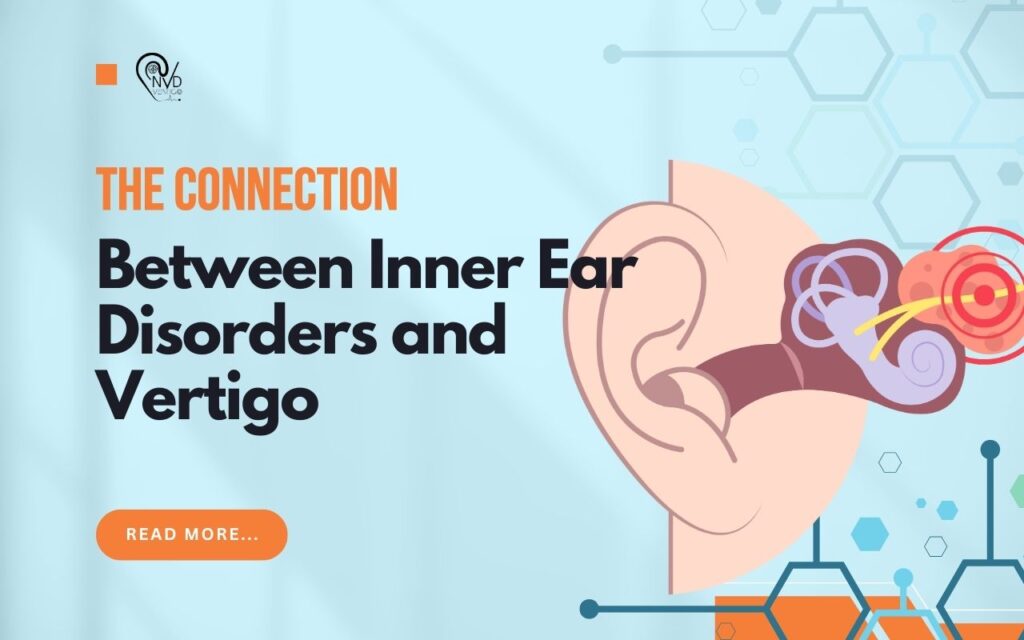
Introduction: In the bustling city of Kolkata, India, where the labyrinth of streets mirrors the intricate pathways of the inner ear, individuals grappling with vertigo seek clarity and solutions. Vertigo, a disorienting sensation of spinning or dizziness, can disrupt daily life and warrant thorough examination for proper diagnosis and treatment. This quest for precision often leads patients to explore advanced diagnostic tests such as Videonystagmography (VNG) and Electronystagmography (ENG), alongside the pursuit of the best vertigo doctors and specialists in India. Understanding VNG Test in Kolkata, India: Videonystagmography (VNG) stands as a cornerstone in the diagnosis of vertigo and related vestibular disorders. In Kolkata, India, individuals can access this state-of-the-art test offered by esteemed medical facilities equipped with cutting-edge technology. VNG evaluates the functionality of the vestibular system, which regulates balance and spatial orientation. By monitoring eye movements in response to various stimuli, VNG precisely identifies vestibular irregularities, aiding in the accurate diagnosis of vertigo causes. Exploring ENG Test in Kolkata, India: Electronystagmography (ENG), another diagnostic tool available in Kolkata, India, plays a crucial role in assessing vestibular function and identifying abnormalities contributing to vertigo. This test meticulously records eye movements, particularly nystagmus, induced by positional changes or stimuli. Through ENG, clinicians in Kolkata can discern vestibular dysfunction with unparalleled accuracy, guiding tailored treatment strategies for patients battling vertigo. Navigating Towards the Best Vertigo Doctor and Specialist in India: In the realm of vertigo management, the guidance of skilled specialists is paramount. India boasts a cadre of top-tier vertigo doctors and specialists, with many renowned practitioners practicing in Kolkata. These experts combine extensive experience with a commitment to staying abreast of advancements in vestibular medicine. Patients seeking the best care for their vertigo journey can trust in the expertise of these professionals, who offer personalized treatment plans tailored to individual needs. Exploring Treatment Options for Vertigo: Once a precise diagnosis is established through tests like VNG and ENG, the next step in managing vertigo involves exploring treatment options. The best vertigo doctors in India offer a comprehensive range of treatments tailored to the underlying cause and severity of the condition. These may include medication to alleviate symptoms, vestibular rehabilitation therapy to improve balance and reduce dizziness, and in some cases, surgical interventions to address structural issues within the inner ear. Innovations in Vertigo Treatment: Advancements in medical technology and research continue to drive innovation in the field of vertigo treatment. In Kolkata, India, patients benefit from access to cutting-edge therapies and interventions aimed at providing effective relief from vertigo symptoms. From minimally invasive procedures to novel pharmacological agents, the landscape of vertigo treatment is constantly evolving, offering new hope to individuals struggling with this debilitating condition. Patient Perspectives: Navigating the Vertigo Journey: Living with vertigo can be a challenging and isolating experience, impacting every aspect of daily life. From the uncertainty of diagnosis to the trial and error of treatment, patients navigating the vertigo journey face numerous obstacles along the way. However, with the guidance of skilled healthcare providers and a supportive network of family and friends, many individuals find strength and resilience in their journey towards recovery. Conclusion: In Kolkata, India, the convergence of advanced diagnostic tests like VNG and ENG with the expertise of esteemed vertigo doctors and specialists heralds hope for individuals grappling with vertigo. Through meticulous assessment and personalized care, these professionals navigate patients towards relief and restoration of equilibrium. With precision as their compass, they illuminate the path towards a life free from the dizzying effects of vertigo. For those in Kolkata, India, and beyond, the synergy of cutting-edge diagnostics and expert care stands as a beacon of hope amidst the whirlwind of vertigo. Embracing these resources, individuals embark on a journey towards stability, empowered by the knowledge that precision and expertise pave the way to a brighter, balanced future.