Best Neurootologist in Kolkata

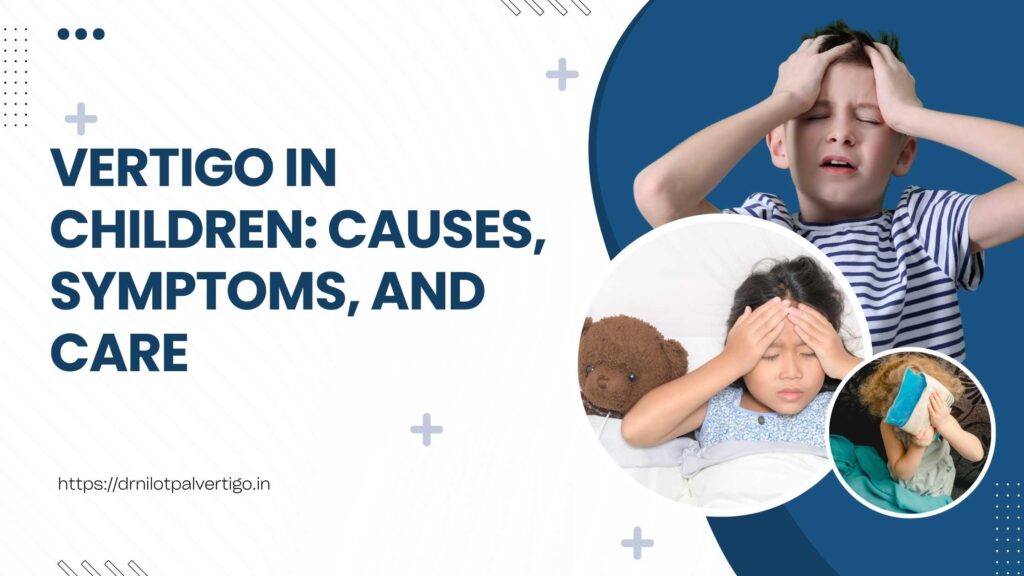
Vertigo in Children: Causes, Symptoms, and Care

Vertigo in Children: Causes, Symptoms, and Care

Vertigo, a condition characterized by a spinning sensation or dizziness, is typically associated with adults. However, it’s essential to recognize that children can also experience vertigo or balance problems . Understanding the causes, symptoms, and appropriate care for vertigo in children is crucial for parents and caregivers. In this article, we will explore this topic and provide insights into the best approaches to ensure a child’s well-being when faced with vertigo. Understanding Vertigo in Children Vertigo in children is not as common as in adults, but it can occur for various reasons. In essence, vertigo is the sensation that one’s surroundings are spinning or moving when they are not. For children, this sensation can be quite disorienting and scary. Causes of Vertigo in Children Symptoms of Vertigo in Children Recognizing vertigo in children can be challenging, as they may have difficulty describing their symptoms. Common signs to look for include: Seeking Help from the Best Vertigo Doctor When a child experiences vertigo, it is essential to consult a medical professional, preferably a pediatrician or an ear, nose, and throat (ENT) specialist. These experts can help diagnose the underlying cause of vertigo and provide guidance on the most appropriate treatment. Diagnosis To determine the cause of vertigo in a child, the doctor may perform various tests, including: Treatment The treatment for vertigo in children depends on the underlying cause. In many cases, the condition may resolve on its own. However, when necessary, treatment options may include: Coping with Vertigo: Tips for Parents and Caregivers Parents and caregivers play a crucial role in helping children cope with vertigo. Here are some practical tips to support a child experiencing vertigo: Conclusion Vertigo in children may be relatively rare, but it can be distressing for both the child and their caregivers. Understanding the potential causes, recognizing symptoms, and seeking help from the best vertigo doctor are essential steps to ensure the child’s well-being. With the right diagnosis and treatment, many children can overcome vertigo and lead healthy, balanced lives. Parents and caregivers play a crucial role in providing the necessary support and care during this challenging time.

Vertigo and Aging: Understanding the Connection

Vertigo and Aging: Understanding the Connection

Introduction As we age, our bodies undergo numerous changes, and one condition that becomes increasingly common is vertigo. Vertigo, a sensation of spinning or dizziness, can have a significant impact on the quality of life for older adults. To better understand this connection and how to manage vertigo effectively, it’s essential to seek the expertise of the best vertigo doctor. In this article, we’ll explore the relationship between vertigo and aging, the causes, symptoms, and how a skilled vertigo specialist can help older adults regain their balance and confidence. The Aging Process and Its Effects on Balance Aging is a natural process, but it can bring about various physiological changes that affect balance and increase the risk of vertigo. Some of the key factors contributing to the connection between aging and vertigo include: Common Causes of Vertigo in Older Adults Vertigo can be caused by various underlying factors, and older adults may be more susceptible to certain causes due to age-related changes in the body. Some common causes of vertigo in this age group include: Recognizing the Symptoms of Vertigo Vertigo presents a range of symptoms that can significantly impact an older person’s daily life. Some of the common symptoms of vertigo include: How the Best Vertigo Doctor Can Help When dealing with vertigo in aging individuals, seeking the expertise of a specialized vertigo doctor is crucial. The best vertigo doctors are well-equipped to provide a comprehensive evaluation, diagnosis, and tailored treatment plan for older adults. Here’s how they can assist: Conclusion As we age, the connection between vertigo and the aging process becomes more apparent. It is essential to recognize the impact of vertigo on older adults and the importance of seeking help from the best vertigo doctor. With expert care, accurate diagnosis, and targeted treatment, older individuals can regain their balance and confidence, ultimately leading to a better quality of life. Don’t let vertigo hold you back in your golden years – take the first step towards managing vertigo and enjoying your life to the fullest.

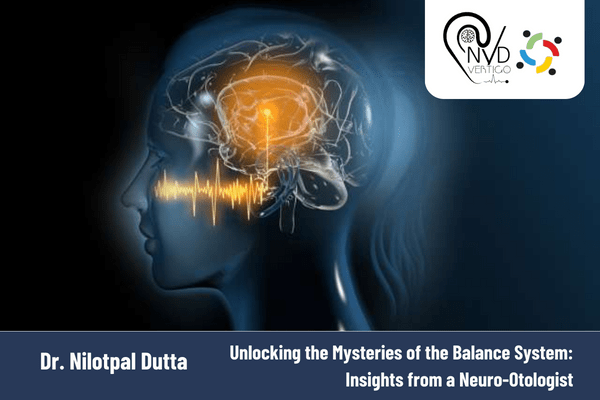
Unlocking the Mysteries of the Balance System

The human body is a marvel of intricate systems, and one of the most remarkable is the balance system. Our ability to stand, walk, and perform everyday activities without falling over is a result of a complex interplay between the brain, inner ear, and sensory nerves. In this blog, we’ll explore the fascinating world of the balance system, as explained by one of the Best Neuro-Otologist. Understanding the Balance System: The balance system, also known as the vestibular system, consists of several components: 1. Inner Ear (Vestibular System): The inner ear contains three semicircular canals filled with fluid. These canals are responsible for detecting head movements in different directions. 2. Brain (Central Processing): Signals from the inner ear are sent to the brain, specifically the brainstem and cerebellum, where they are processed to maintain balance. 3. Sensory Input: Other sensory systems, including vision and proprioception (awareness of body position), contribute to our sense of balance. Role of a Neuro-Otologist: A Neuro-Otologist is a specialist who focuses on diagnosing and treating disorders of the ear and the nervous system involved in balance. They play a crucial role in addressing a range of conditions, such as: 1. Vertigo: Neuro-Otologists help patients suffering from vertigo, a sensation of spinning or dizziness. This often results from issues within the inner ear. 2. Meniere’s Disease: This condition, characterized by recurrent vertigo, hearing loss, and tinnitus (ringing in the ears), is another area where a Neuro-Otologist’s expertise is invaluable. 3. Balance Disorders: Neuro-Otologists diagnose and treat various balance disorders, helping patients regain their equilibrium and quality of life. 4. Concussion Management: After head injuries, a Neuro-Otologist may evaluate and manage balance problems that can persist as a result of trauma. Conclusion: Our balance system is a testament to the incredible complexity of the human body. It allows us to navigate the world with grace and precision. A Neuro-Otologist’s role is pivotal in ensuring this system functions optimally. If you or someone you know experiences balance issues or related symptoms, seeking consultation with a Top Neuro-Otologist in Kolkata can provide the expertise needed for diagnosis and treatment. By understanding and appreciating the intricacies of the balance system, we can better appreciate the wonder of our own bodies.

Scroll to Top